


Space Park Perspectives
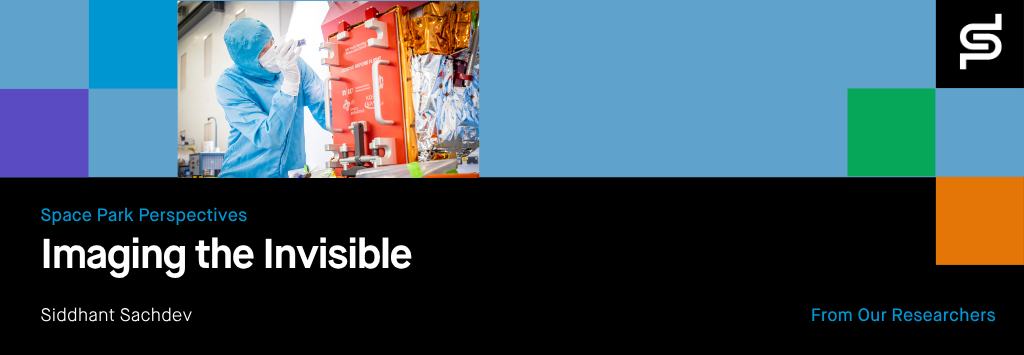
As the SMILE mission prepares for launch, Space Park Leicester engineer Siddhant “Sunny” Sachdev reflects on six years shaping a pioneering instrument that will, for the first time, capture a global view of how solar activity interacts with Earth. It’s a mission that not only advances our understanding of space weather, but showcases the power of international collaboration to unlock the next era of discovery.
A Leicester space systems engineer involved in a mission to improve our understanding of solar storms, geomagnetic storms and the science of space weather has discussed its significance ahead of its launch.
For nearly six years Siddhant Sachdev, was part of the team at Space Park Leicester and the University of Leicester, which worked on the ground-breaking Soft X-ray Imager (SXI) instrument for the Solar wind Magnetosphere Ionosphere Link Explorer (SMILE) mission.
SMILE is due to launch on a Vega-C rocket from Europe’s Spaceport in French Guiana at 4.52am BST on Tuesday, May 19, and will provide the first complete look at how the Earth reacts to streams of particles and bursts of radiation from the Sun.
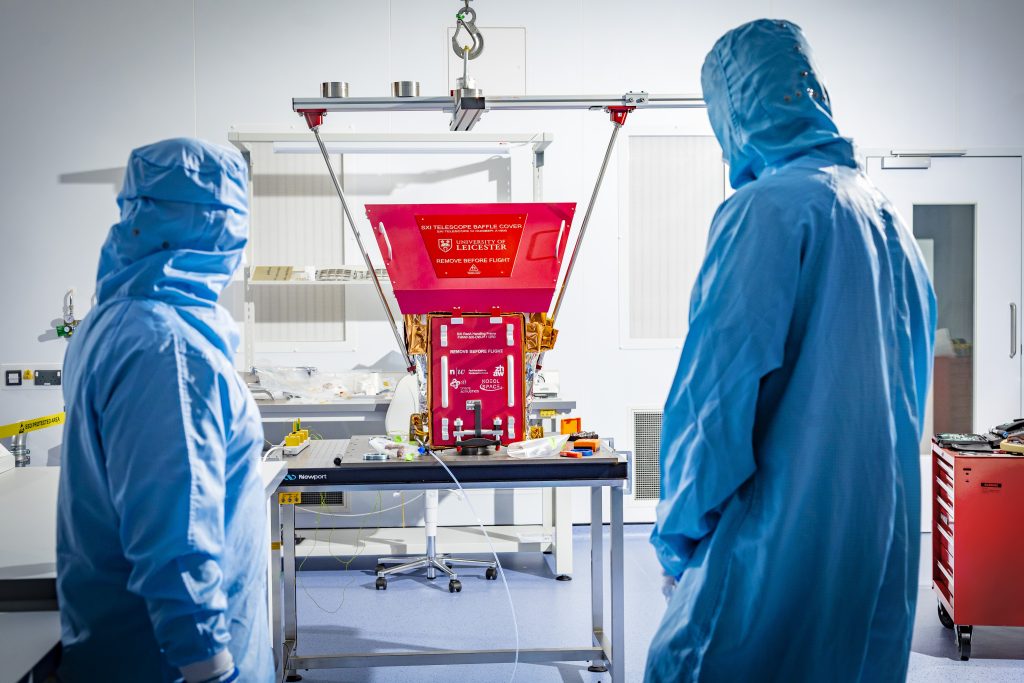
In an interview with Engineering Magazine, Siddhant, known as Sunny, said: “SMILE is designed to provide a global view of the interaction between the solar wind and Earth’s magnetosphere. Rather than observing isolated phenomena, the mission seeks to image large-scale magnetospheric boundaries in soft X-ray wavelengths, enabling scientists to better understand space weather dynamics and energy transfer processes.
“The SXI instrument is central to this objective because it provides the wide-field soft X-ray imaging capability required to visualise the solar-wind charge exchange process on a global scale.”
SMILE is a joint mission between the European Space Agency (ESA) and the Chinese Academy of Sciences (CAS). It is part of ESA’s Cosmic Vision programme, principally contributing to answering the question ‘How does the Solar System work?’
Sunny said: “Missions like SMILE address global scientific questions that benefit from shared expertise, shared investment, and shared infrastructure.
“The collaborative model enables capabilities that would be difficult to realise independently, whether in terms of instrumentation sophistication, mission scale, or long-term research impact.
“The engineering challenges of international partnership are part of broader collaborations within the space industries, demonstrating greater coordination effort in return for expanded scientific reach and deeper collective advancement in space science and technology.
“With the SMILE launch window upcoming, it is an exciting time for the project and the future for further international partnerships.” For further information about SMILE, visit https://www.esa.int/Science_Exploration/Space_Science/Smile
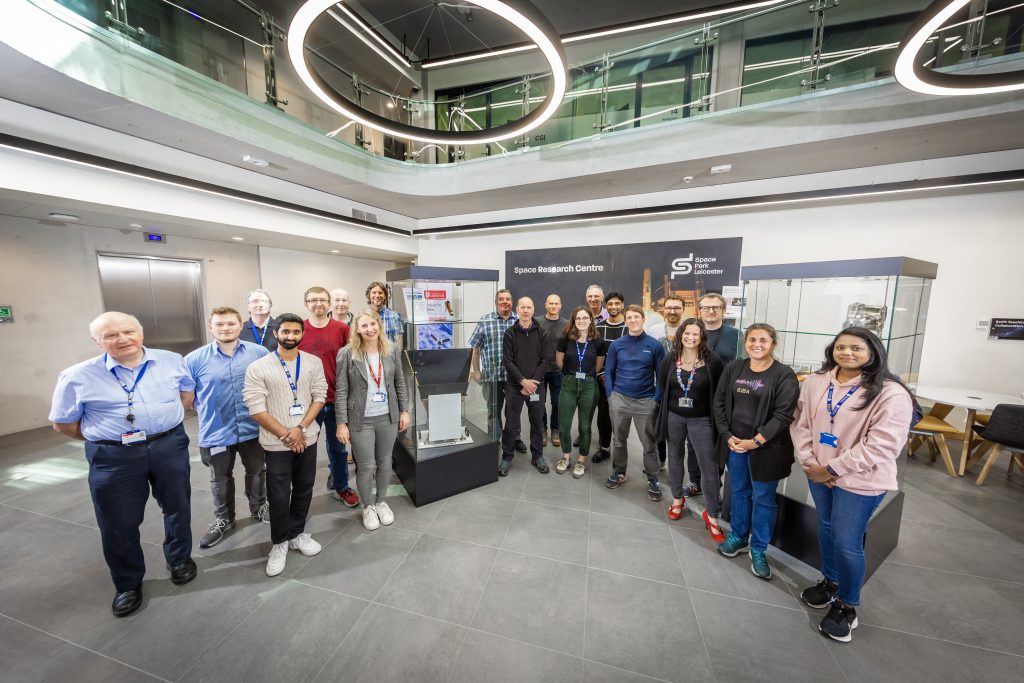
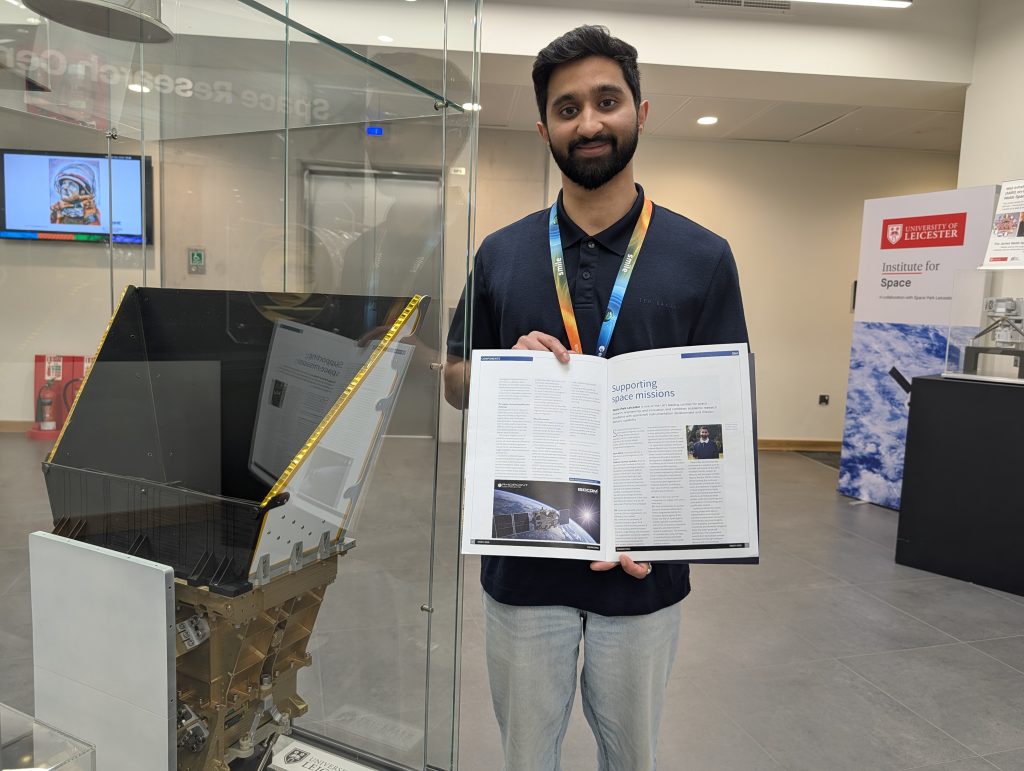
Siddhant “Sunny” Sachdev is a Space Systems Engineer who played a central role in the SMILE mission, leading engineering activities for the Soft X-ray Imager (SXI), including thermal testing and optic assembly development. His work is helping to shape the future of international space science and planetary exploration.
Space Park Perspectives brings together science, society and the humanities to explore how space is shaping life on Earth — and beyond.
To explore Space Park Leicester partnerships, missions, residents, facilities, training programmes and innovation products, visit space-park.co.uk or to learn more about the University of Leicester visit le.ac.uk/.