


Space cluster role in driving economic growth showcased to policymakers
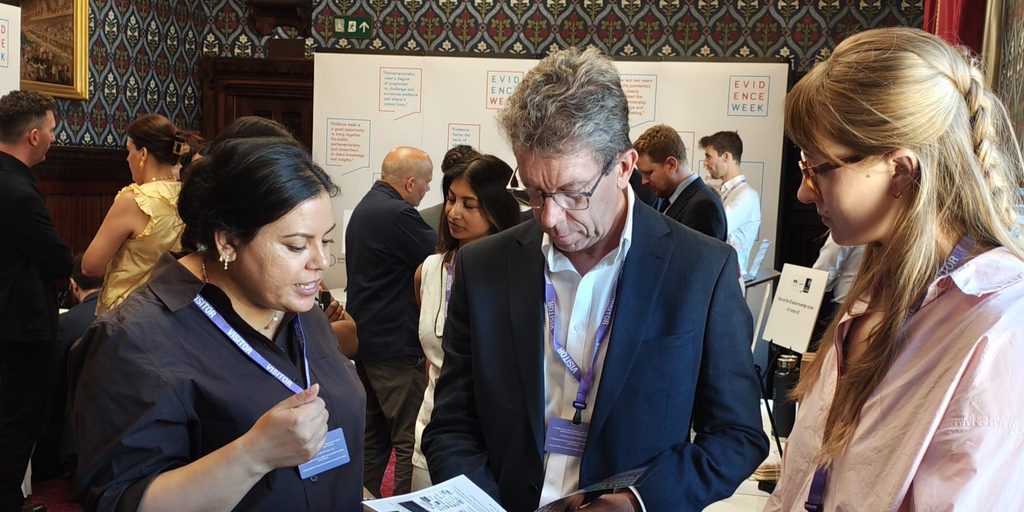
University of Leicester experts presented work at event discussing how evidence is used and scrutinised at Westminster
This summer has seen University of Leicester space experts demonstrating the role of space clusters in driving economic growth to policymakers, a message highlighted in the UK Government’s new Space Strategy announced this week.
Parliamentarians had a first-hand experience of leading space research from the University of Leicester at this year’s Evidence Week, highlighting the value of collaboration between academics, policymakers and industry.
Experts from Leicester showcased how the UK could become a global leader in the space sector, driving economic growth through harnessing space clusters. Space Park Leicester, the University’s £100 million space research and innovation hub, is particularly well placed to do so, with 23 organisations and 400 university and industry staff, making it the second-largest space innovation community in the UK.
It followed a visit to Space Park Leicester by Baroness Lloyd of Effra CBE, Parliamentary Under-Secretary of State in the Department for Science, Innovation and Technology, in July for a tour and showcase of its cutting-edge facilities and out-of-this-world achievements.
Climate scientists from the University of Leicester and National Centre for Earth Observation (NCEO) also showcased their research at a reception during London Climate Action Week that drew experts and representatives drawn from the worlds of politics, science and business, and was even attended by His Majesty King Charles III.
The annual Evidence Week in Parliament serves to provide direct engagement opportunities for leading policymakers, journalists and parliamentary staff to engage with cutting-edge evidence to help inform and shape decision-making at the highest level.
Leicester’s participation was formed through partnership working between Space Park Leicester, the Space Academic Network, the University of Leicester Institute for Policy and the Midlands Space Cluster.
As part of the week, Leicester’s team also engaged in a reverse Parliamentary select committee, providing a unique opportunity for public scrutiny of policymakers regarding their use of evidence.
The University of Leicester Institute for Policy was also invited to a panel discussion meeting and reception hosted by Dame Chi Onwurah MP, on behalf of the Foundation for Science and Technology. The discussion of ‘Science Diplomacy – Can we help the world align through science?’ was chaired by former University of Leicester Chancellor and Universities Minister, the Rt Hon the Lord Willetts.
A short video presented by Space Park Leicester’s Professor Martin Barstow for Evidence Week detailed how through space clusters the UK could become a global leader in the space sector and drive economic growth.
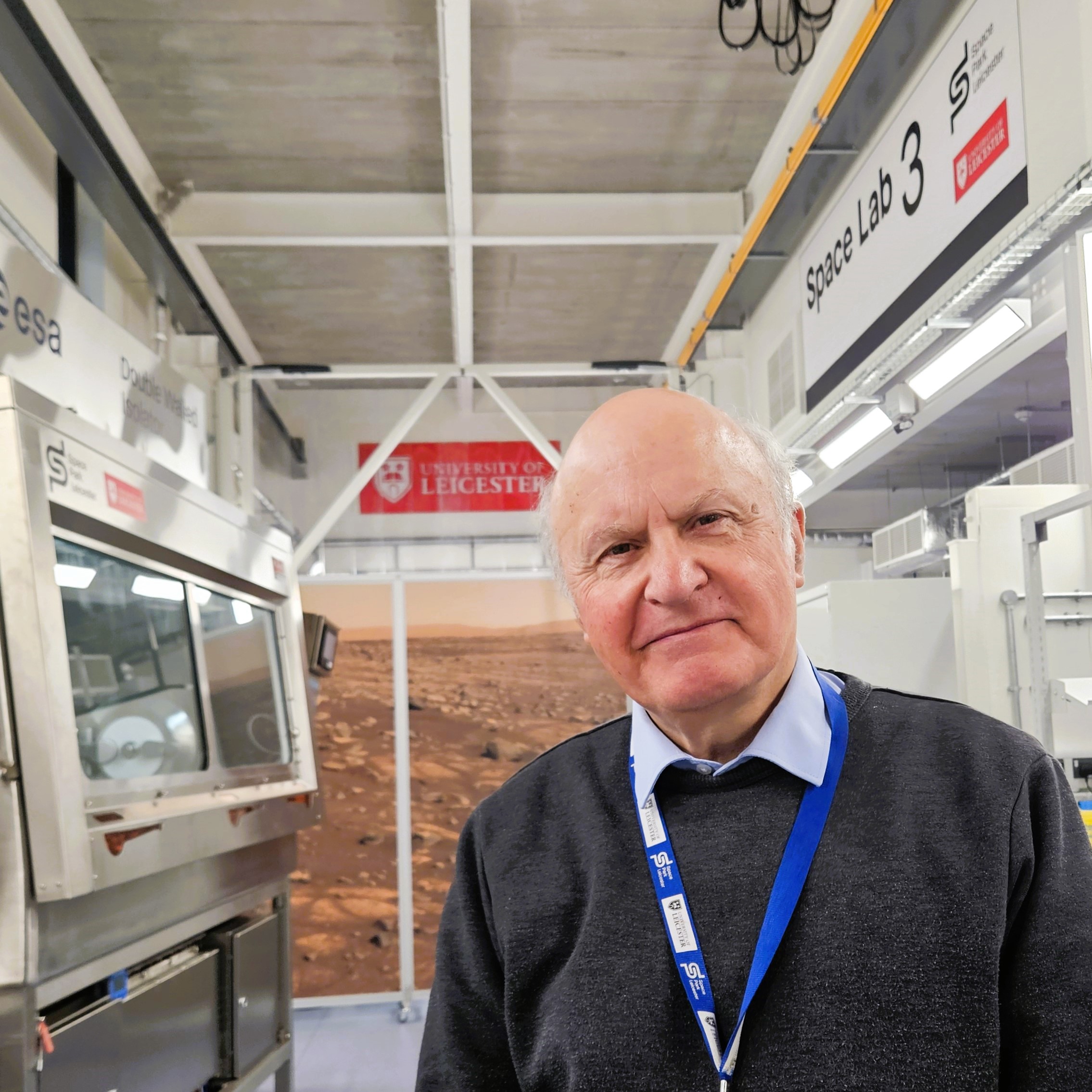
Professor Mark Sims, Professor of Astrobiology and Space Instrumentation at the University of Leicester and Co-Chair of the Space Academic Network (SPAN), said:
“Evidence Week provides an invaluable opportunity to demonstrate how the UK’s academic community is helping to shape the future of the space sector. Universities are not only advancing world-leading research and developing the technologies that underpin future space missions, but also providing the evidence, skills and innovation needed to support national policy and economic growth.
“Bringing together Space Park Leicester, SPAN, the University of Leicester Institute for Policy and the Midlands Space Cluster highlighted the strength of collaboration across academia, industry and government. By engaging directly with Parliament, we can ensure that evidence from the UK’s research base informs decision-making and helps position the UK as a globally competitive space nation.”
Professor Neil Chakraborti, Director of the Institute for Policy and Co-Director of the Centre for Hate Studies, University of Leicester said: “Evidence Week is an increasingly important part of the Parliamentary calendar, offering researchers, parliamentarians and the public opportunities to discuss how evidence is used and scrutinised in Westminster. As such, it was an honour to showcase our world-leading space research at Evidence Week 2026 and to forge further connections which will enable University of Leicester researchers to harness their evidence in ways that inform urgent policy priorities.”
Space Park Leicester has welcomed the publication of the UK Government’s new Space Strategy and its ambition to strengthen the UK’s position as a competitive global space power. The Strategy’s focus on regional clusters strongly reflects Leicester’s role in the development of the UK space economy. The University of Leicester leads both the Midlands Space Cluster and the Midlands Innovation Space Group, while Space Park Leicester anchors Space City Leicester and supports collaboration between research, business, government and investors. More information on Evidence Week 2026 and the range of activities that took place can be found here.
To explore Space Park Leicester partnerships, missions, residents, facilities, training programmes and innovation products, visit space-park.co.uk or to learn more about the University of Leicester visit le.ac.uk/.
Main image: Anushka Sharma (Space Academic Network Liaison Manager, left) and Dr Catherine Parry (right) speak to visitors during the Evidence Week event.
Explore More Stories
- Space cluster role in driving economic growth showcased to policymakers
- Pioneering new research centre exploring humanity’s relationship with space launches at National Space Centre
- Space Park Leicester to bring NASA-proven leadership training to Leicester for international five-day executive programme
- Space Park Perspectives
- Space Park Leicester welcomes new UK Space Strategy