
17/12/2025
COP30 poems celebrating Planet Earth released by Space Park Leicester
A collection of moving poems inspired by this year’s United Nations Climate Change Conference COP30 has been published by Space Park Leicester.


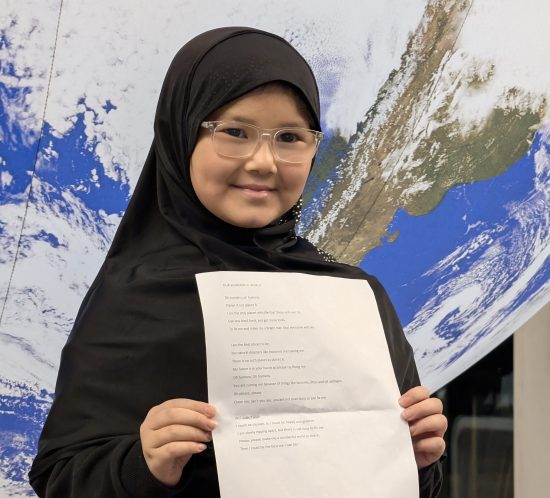
A collection of moving poems inspired by this year’s United Nations Climate Change Conference COP30 has been published by Space Park Leicester.
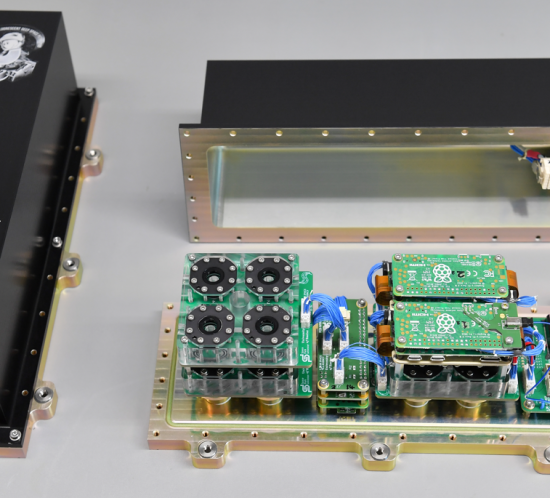
A crew of tiny worms will be heading on a mission to the International Space Station in 2026 that will help scientists understand how humans can travel through space safely, using a Space Park Leicester-built space pod.
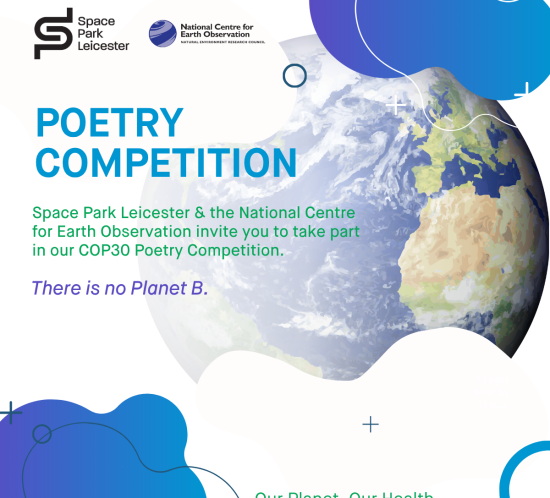
Space Park Leicester and the National Centre for Earth Observation invite you to take part in our COP30 Poetry Competition. Your challenge: write a poem inspired by the theme “There is no Planet B.” Explore what makes Planet A extraordinary — and why it’s worth fighting for.
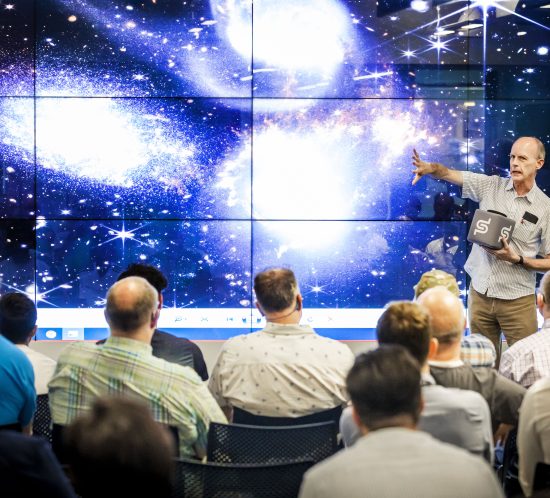
AWE experts at the forefront of techniques to locate the sources of underground explosions on Earth and in space will share their knowledge at a free event at Space Park Leicester.
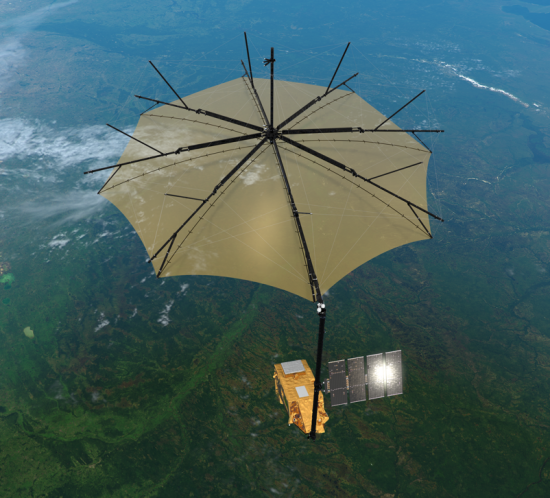
A satellite developed by British academics and engineers, including expertise from the Space Park Leicester and the National Centre for Earth Observation, is set to become the first in the world to measure accurately the condition and carbon mass of the Earth’s forests from space
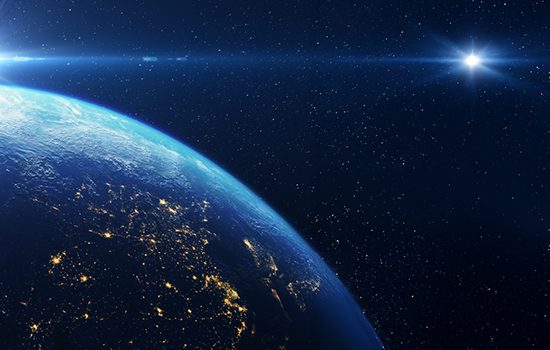
The University of Leicester has received a record £10m investment to establish the Leverhulme Centre for Humanity and Space to explore how the final frontier is reshaping our lives.
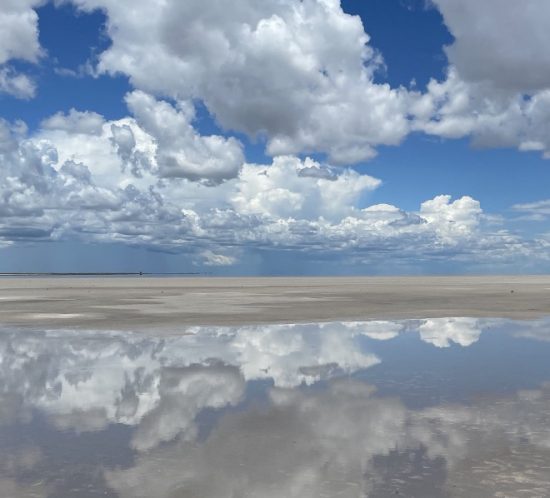
A leading Open University expert will reveal how studying extreme environments on Earth plays a vital role in planning life-detection space missions at a free talk in Leicester.
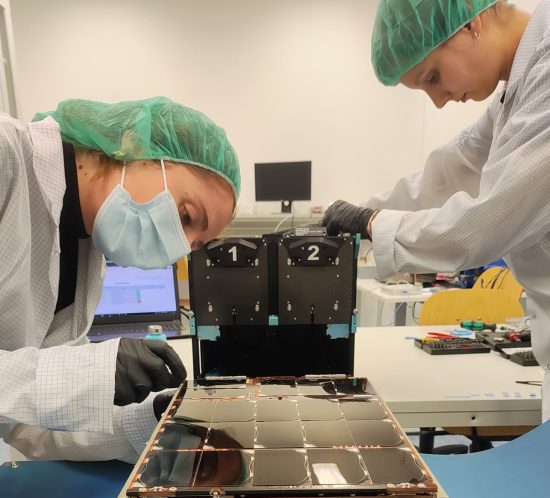
A multi-million-pound satellite and information firm committed to solving problems on Earth has joined Space Park Leicester.
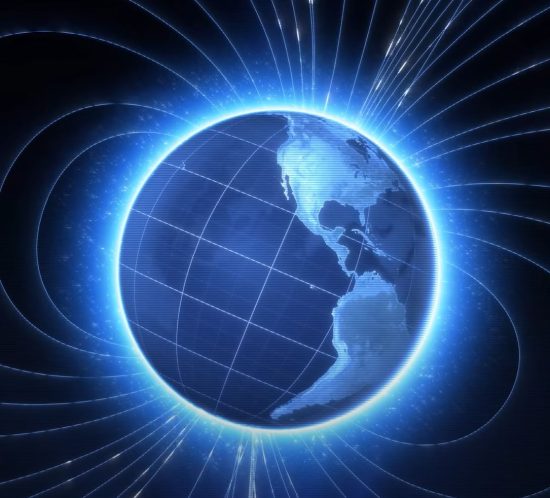
Using observations from a NASA suborbital rocket, an international team that includes a University of Leicester space scientist has, for the first time, successfully measured a planet-wide electric field thought to be as fundamental to Earth as its gravity and magnetic fields.
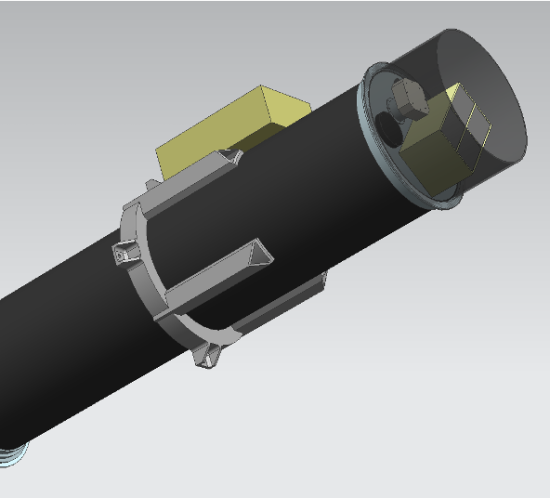
How the Sun influences the atmosphere, space weather and habitability of a planet, as well as the space between the stars, could be investigated by two proposed UK space missions, led by the University of Leicester.