


Pioneering new research centre exploring humanity’s relationship with space launches at National Space Centre
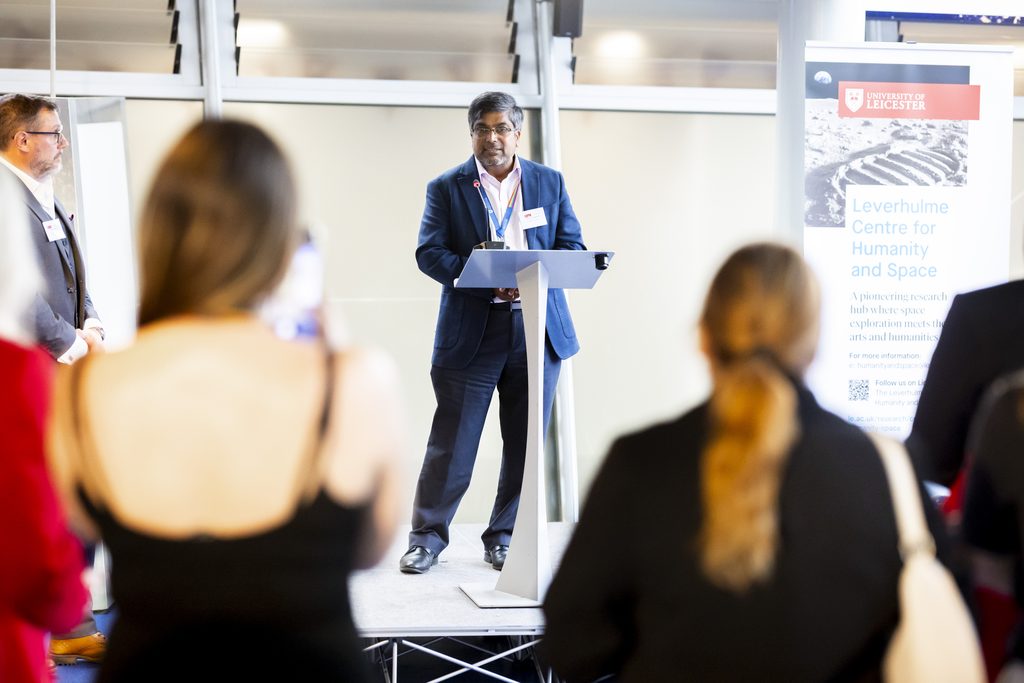
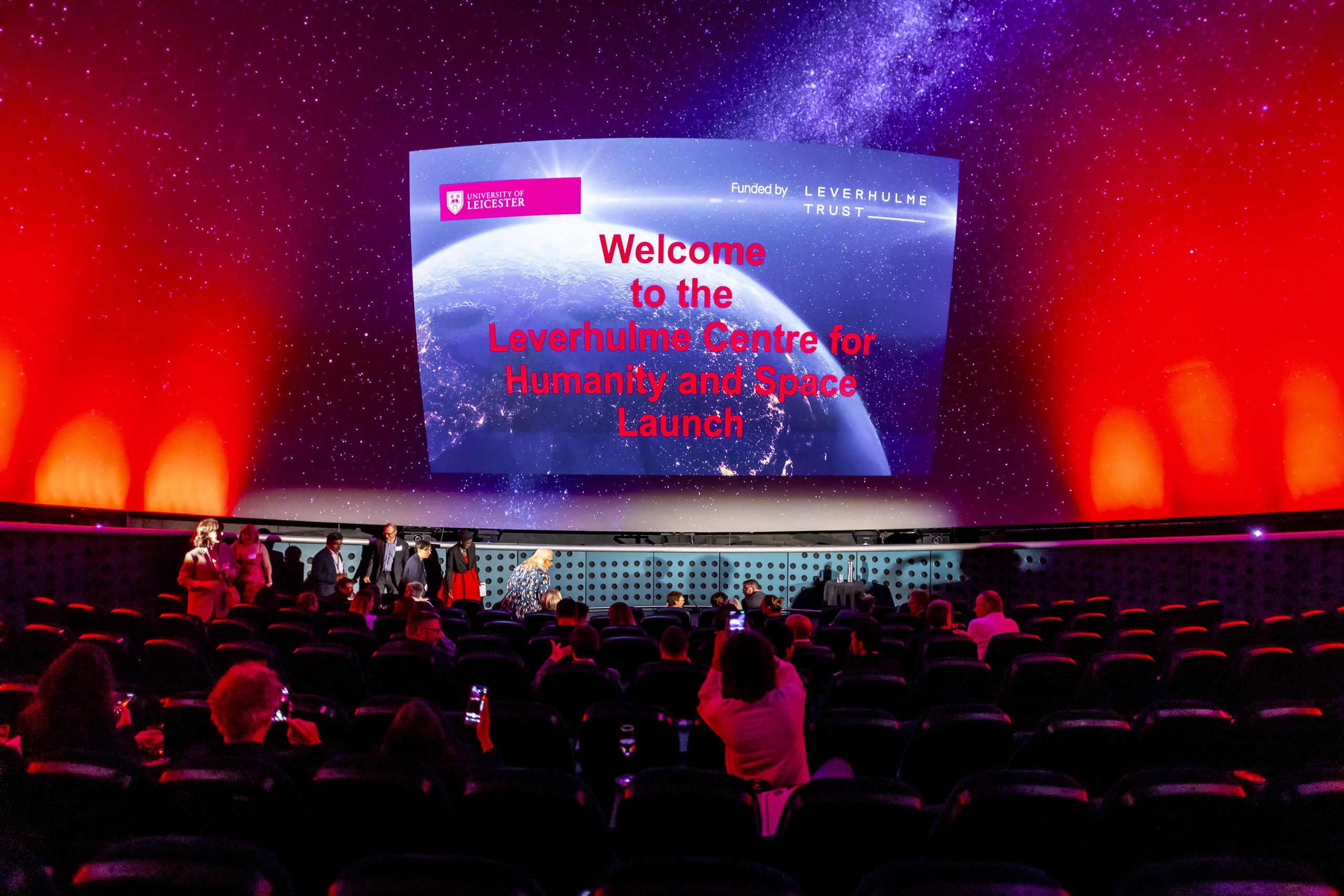
A record £10m research centre exploring humanity’s relationship with space has launched at Leicester’s National Space Centre, bringing social sciences, arts and humanities into the heart of debates about humanity’s future beyond Earth.
The Leverhulme Centre for Humanity and Space (LCHS) is the first of its kind to examine space through the lens of the social sciences, arts and humanities, exploring how people understand, experience and shape humanity’s future beyond Earth.
The Centre will examine how space is governed, represented and experienced, and who benefits as exploration and space-based technologies become increasingly important to life on Earth.
Based at the University of Leicester, the Leverhulme Centre for Humanity and Space will focus on four key themes:
- Living and working in space – Exploring how our lives will adapt to life in space and how this dependence will reshape our existence here on Earth
- Peace, security, and governance – Ensuring space is used for peaceful purposes while balancing competition and collaboration among nations
- Communication, representation, and experience – Finding ways to effectively share our experiences of space and maximise education and engagement
- Sustainability, development, and fairness – Developing strategies for the equitable exploration of space that promote social, environmental, and economic growth
The Centre has received a record £10m investment from the Leverhulme Trust, the largest award the University of Leicester has received for research in the social sciences, arts and humanities.
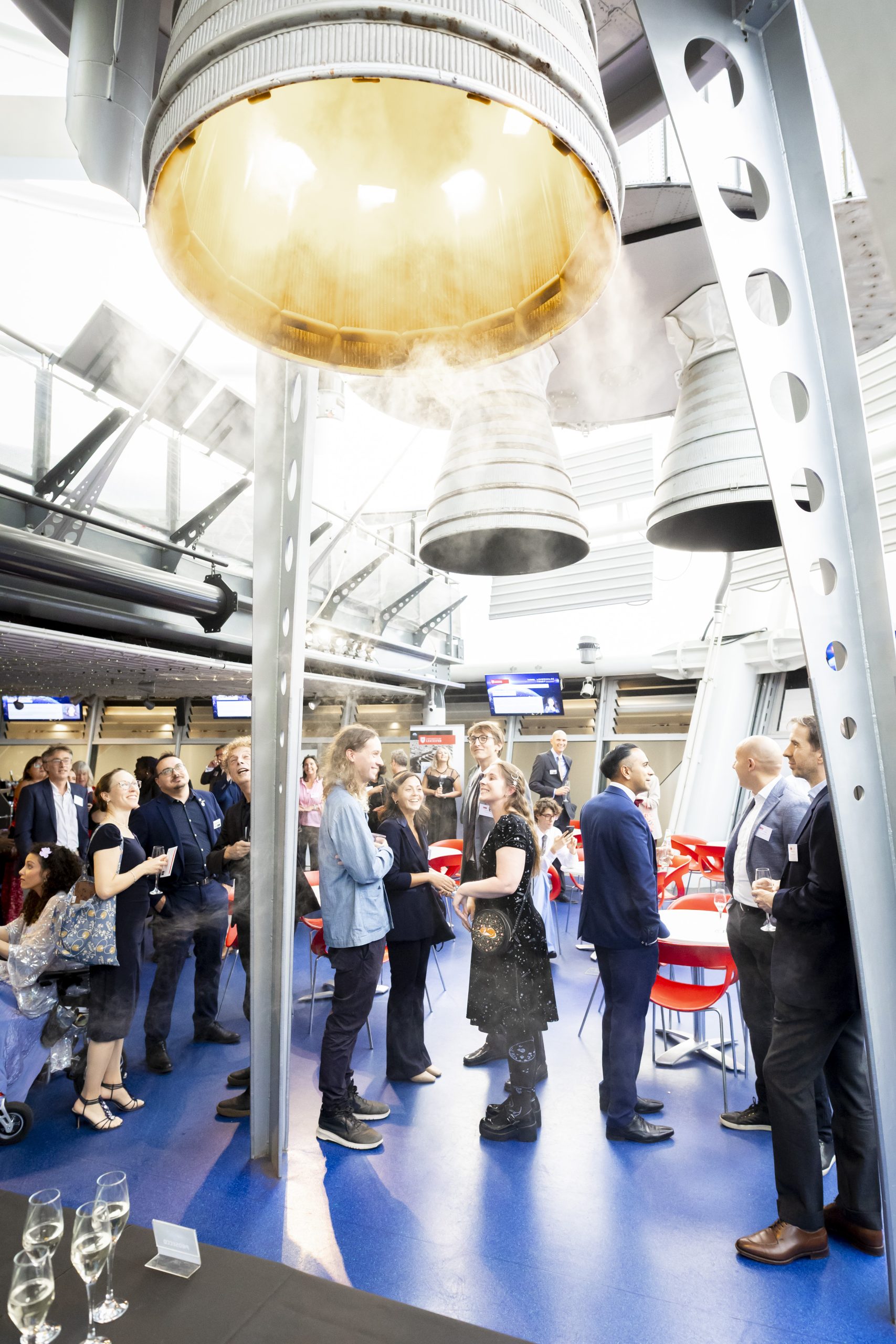
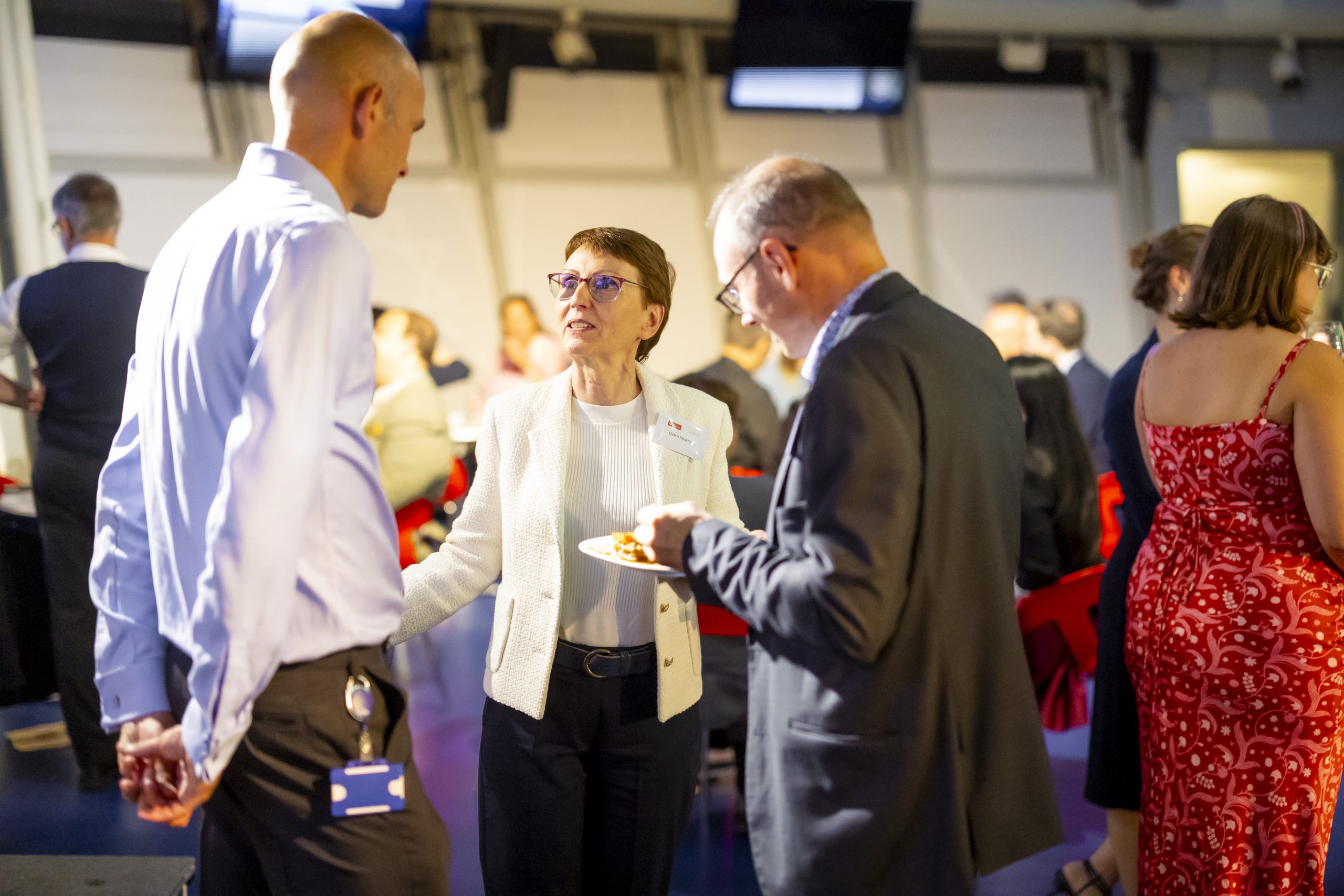
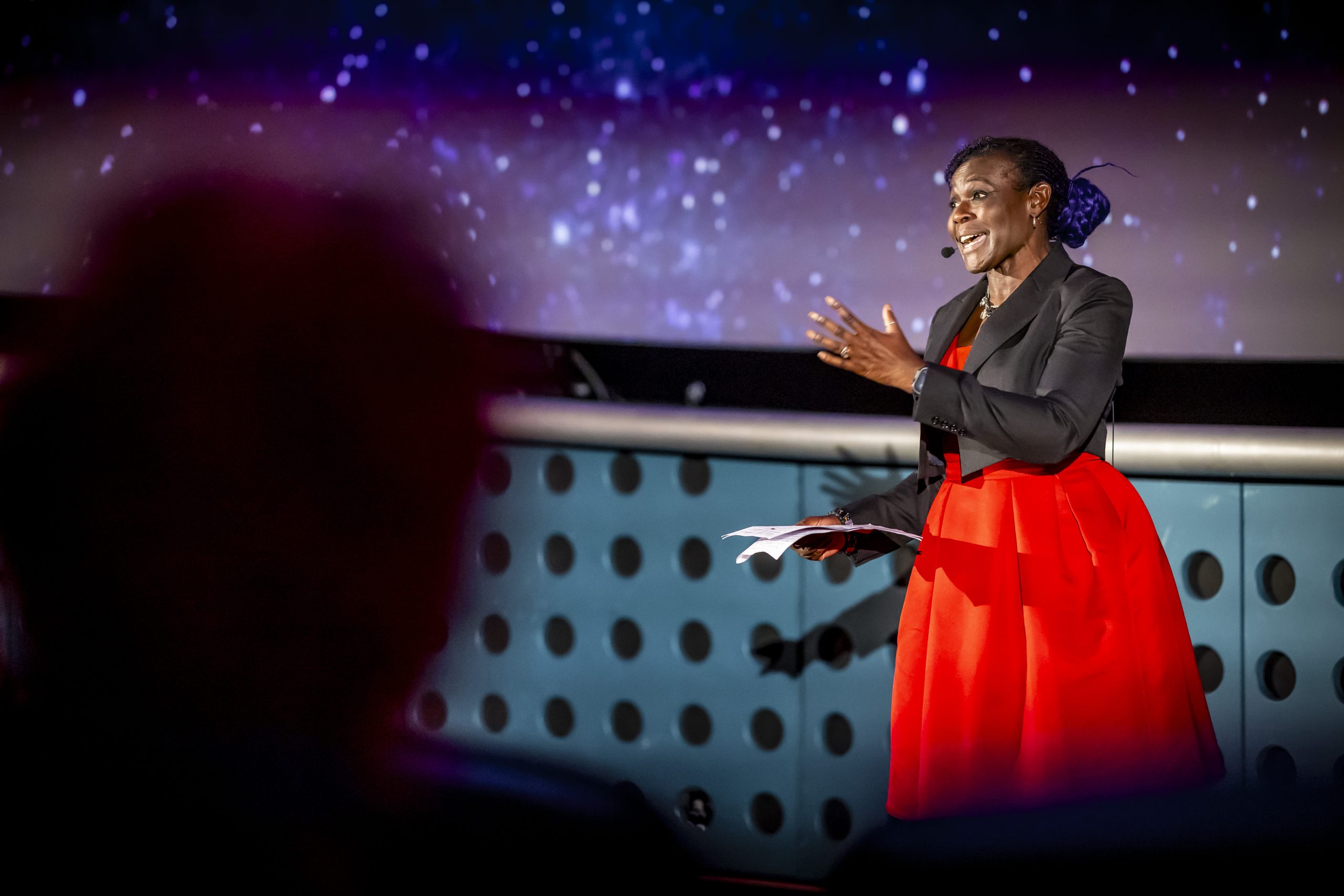
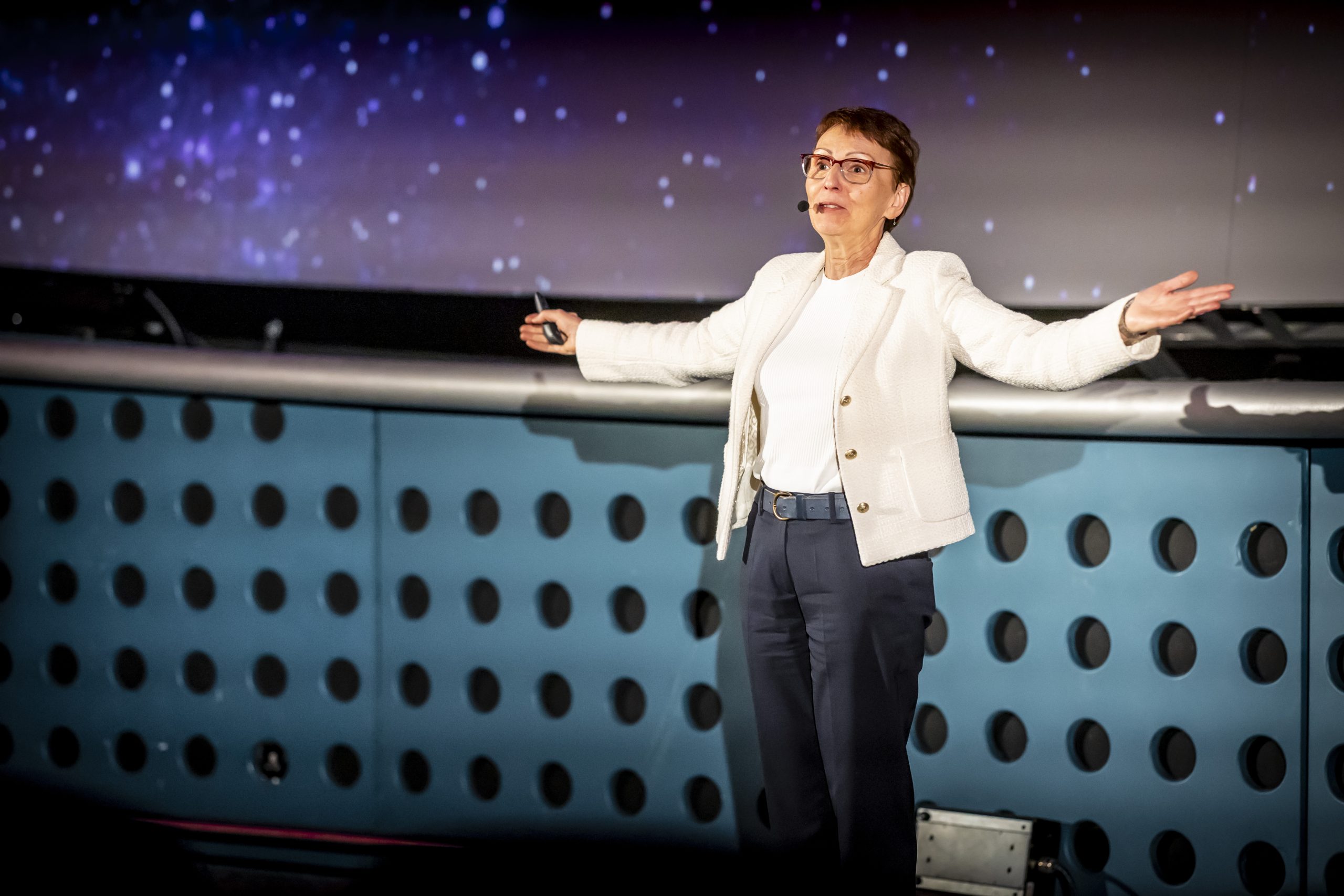
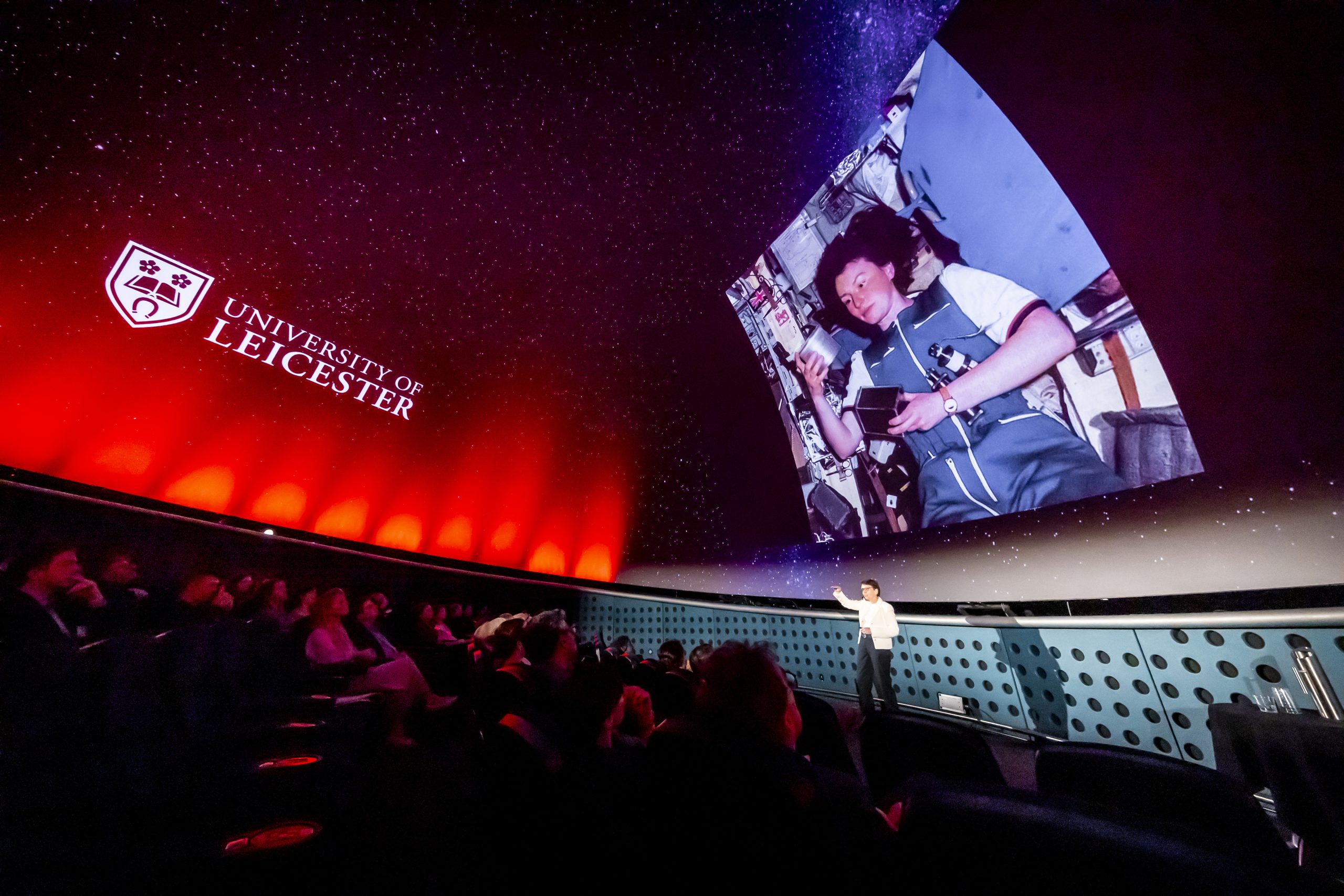
The launch marked a significant moment for Leicester’s space community and was attended by leading voices from the sector, including science broadcaster and LCHS Associate Fellow Dallas Campbell; award-winning space scientist, broadcaster and University Chancellor Dame Dr Maggie Aderin; and Britain’s first astronaut, Helen Sharman.
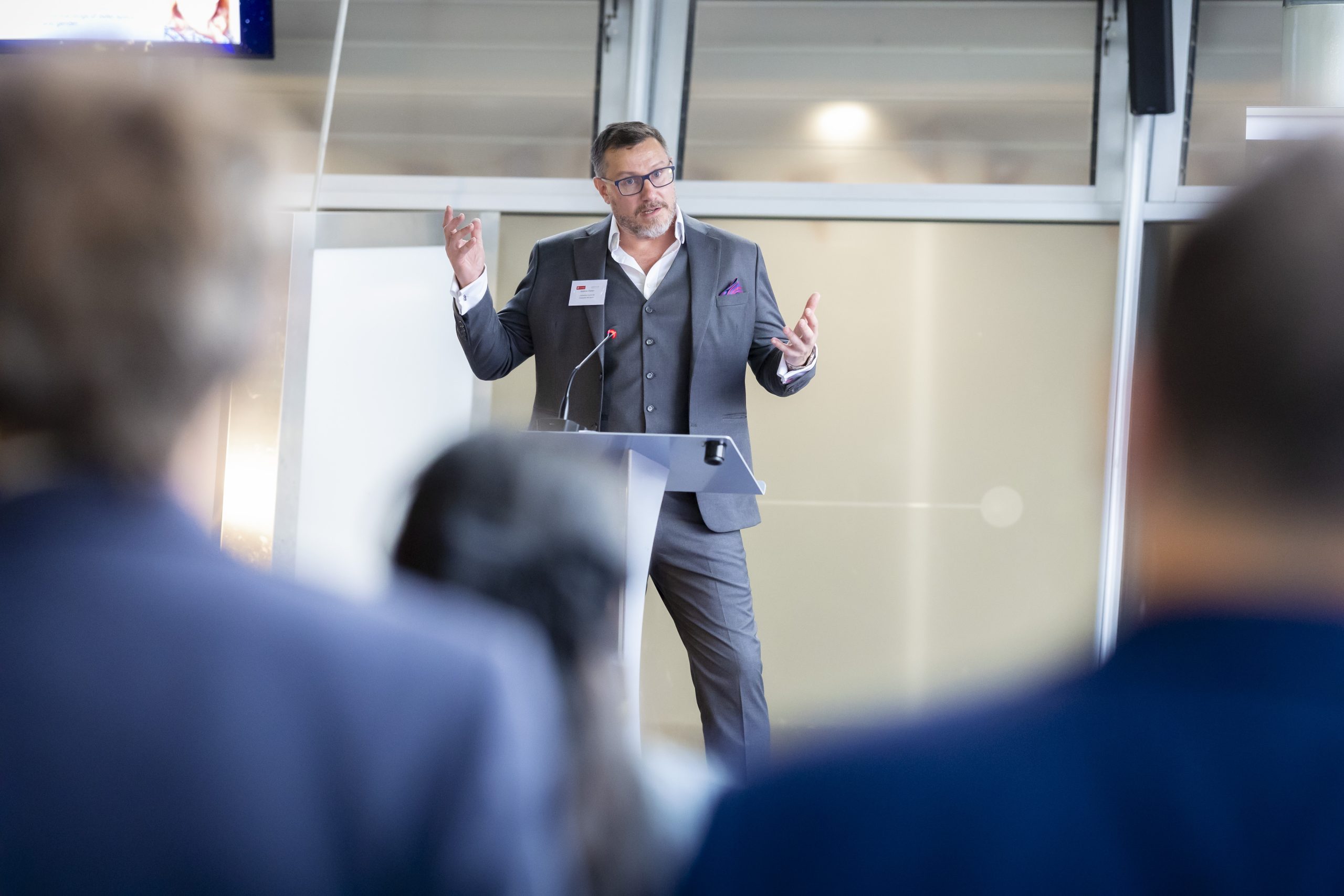
The Leverhulme Centre for Humanity and Space is led by Centre Director Professor Andrew Futter, a world-leading social scientist who will head a multidisciplinary team of scholars and researchers working to strengthen the University of Leicester’s contribution to space research and develop the next generation of space experts.
The establishment of the Leverhulme Centre for Humanity and Space has created 42 new research positions at the University of Leicester.
Discussing the Centre, Professor Futter said: “We are entering an extraordinary new chapter in humanity’s relationship with space, and it is a huge privilege to be leading the Leverhulme Centre for Humanity and Space at such a pivotal moment. Building on Leicester’s decades of pioneering space research, our ambition is to bring people and ideas together to explore what our growing presence in space will mean for humanity, for society and for our shared future.”
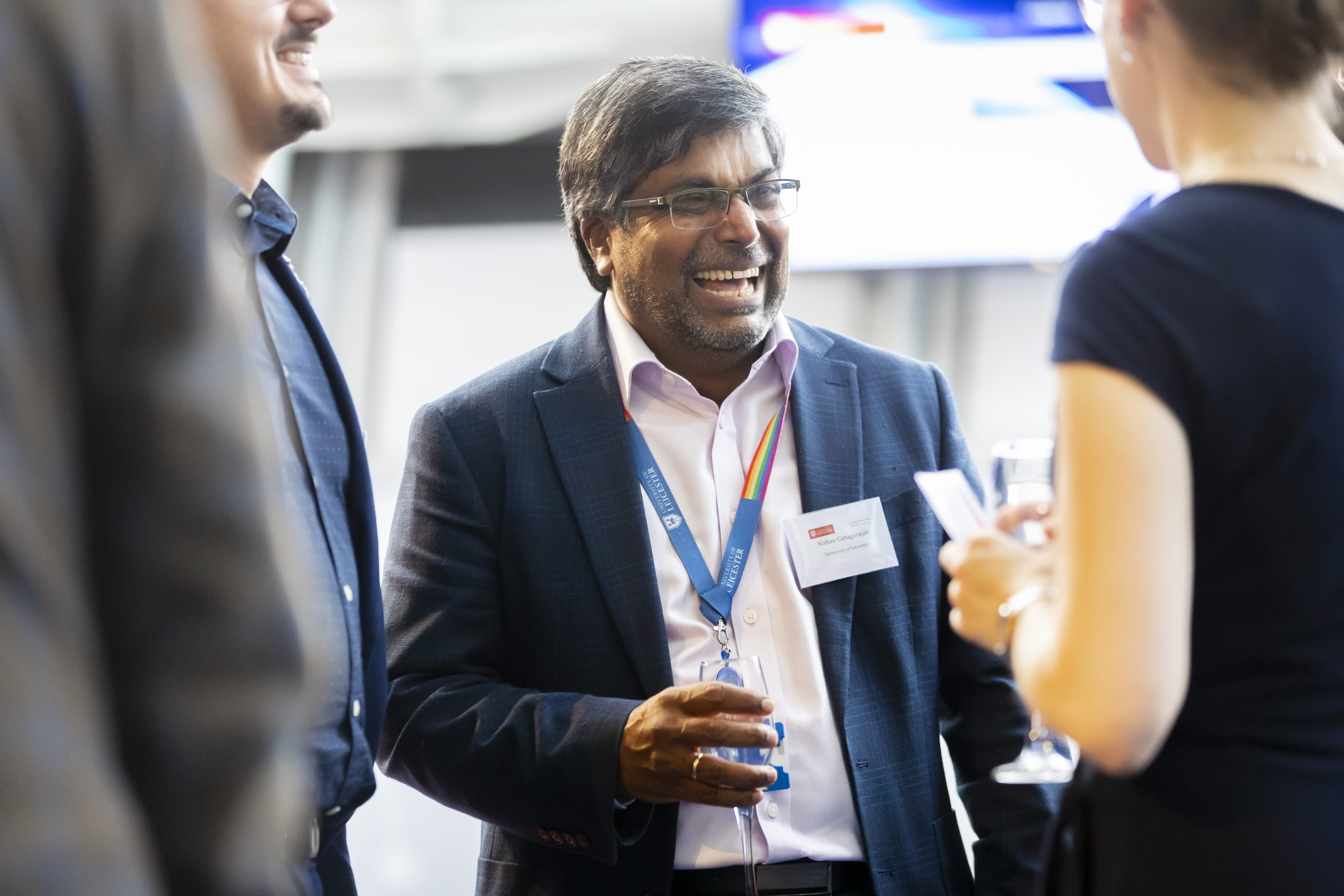
President and Vice-Chancellor of the University of Leicester, Professor Sir Nishan Canagarajah said: “Today we stand at a critical juncture in the human relationship with Space. Never before have the wellbeing and prosperity of so many people across so many different societies depended on so many platforms and spacecraft orbiting and travelling beyond our planet. For all space exploration, Arts, Humanities and Social Sciences perspectives are essential.”
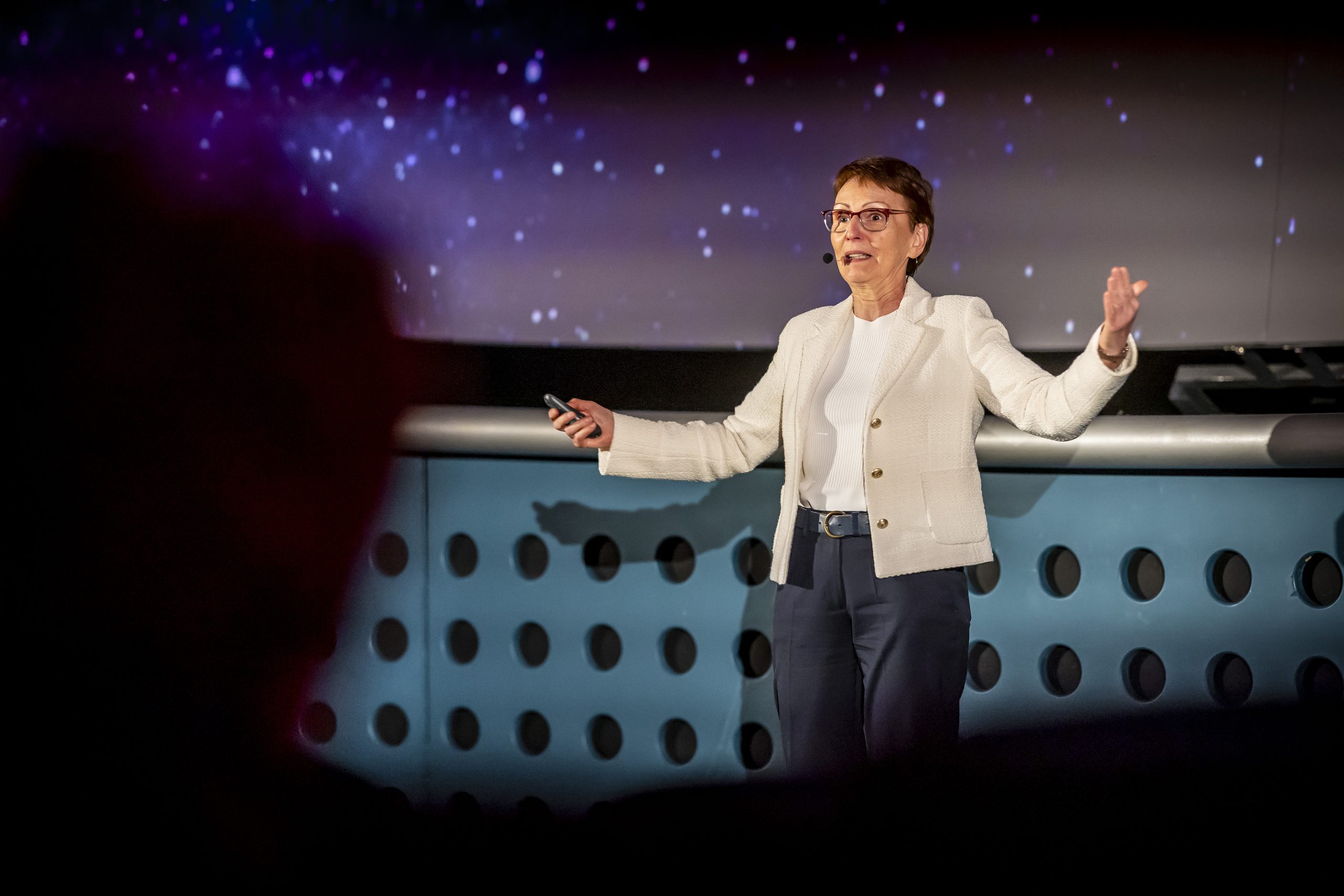
Helen Sharman said,

“We have invested in the technology of space flight. We understand how we can keep astronauts alive for more than a year in space. But what we haven’t done very well is look at the sustainability of that relationship with space from the human side of things and look at the legal, the ethical and sometimes the moral implications.

For instance, is it right to be able to take material out of an asteroid? Who should own that material? To which country should the taxes be paid? That is just the tip of the iceberg, so the Leverhulme Centre for Humanity and Space is absolutely needed.”



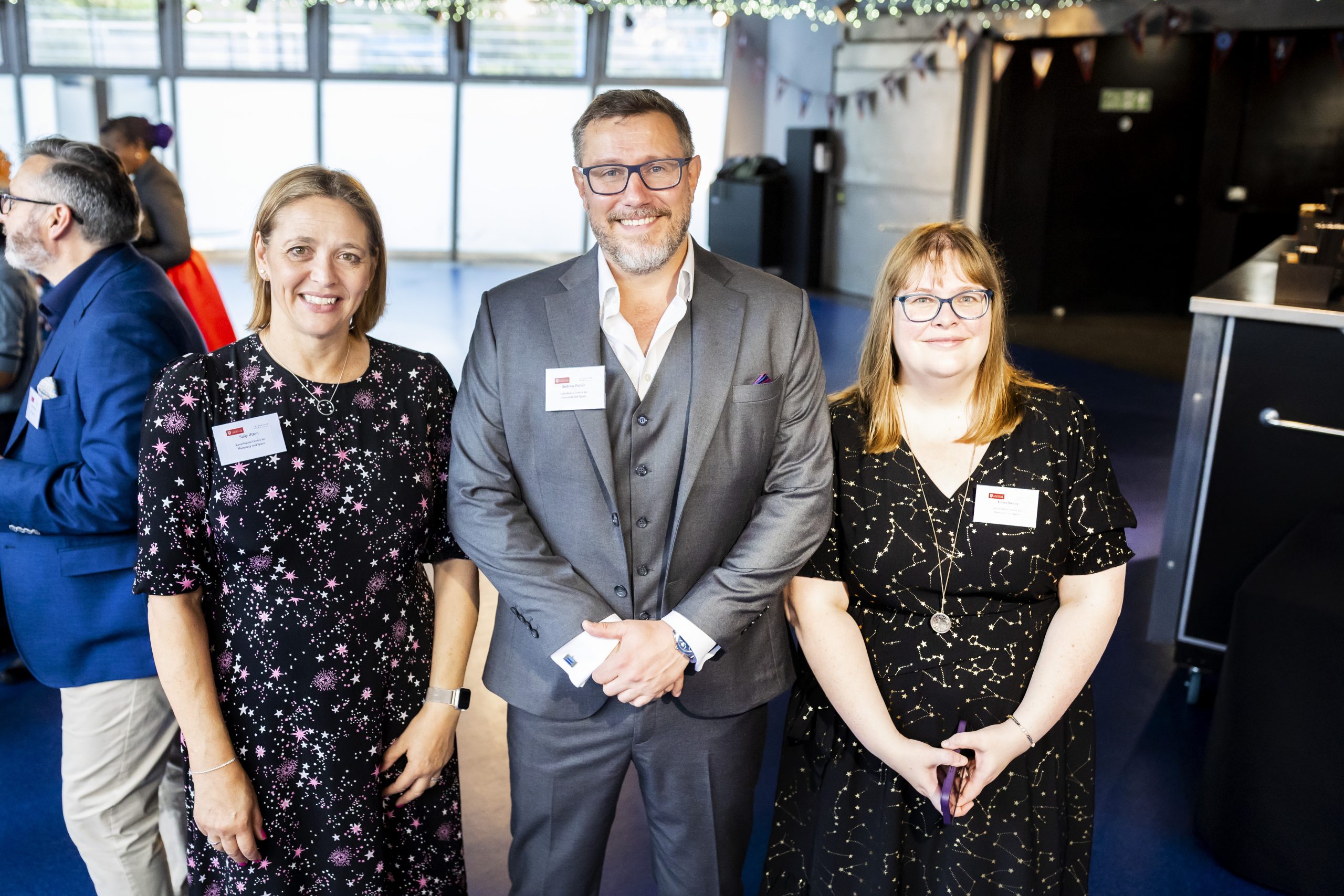
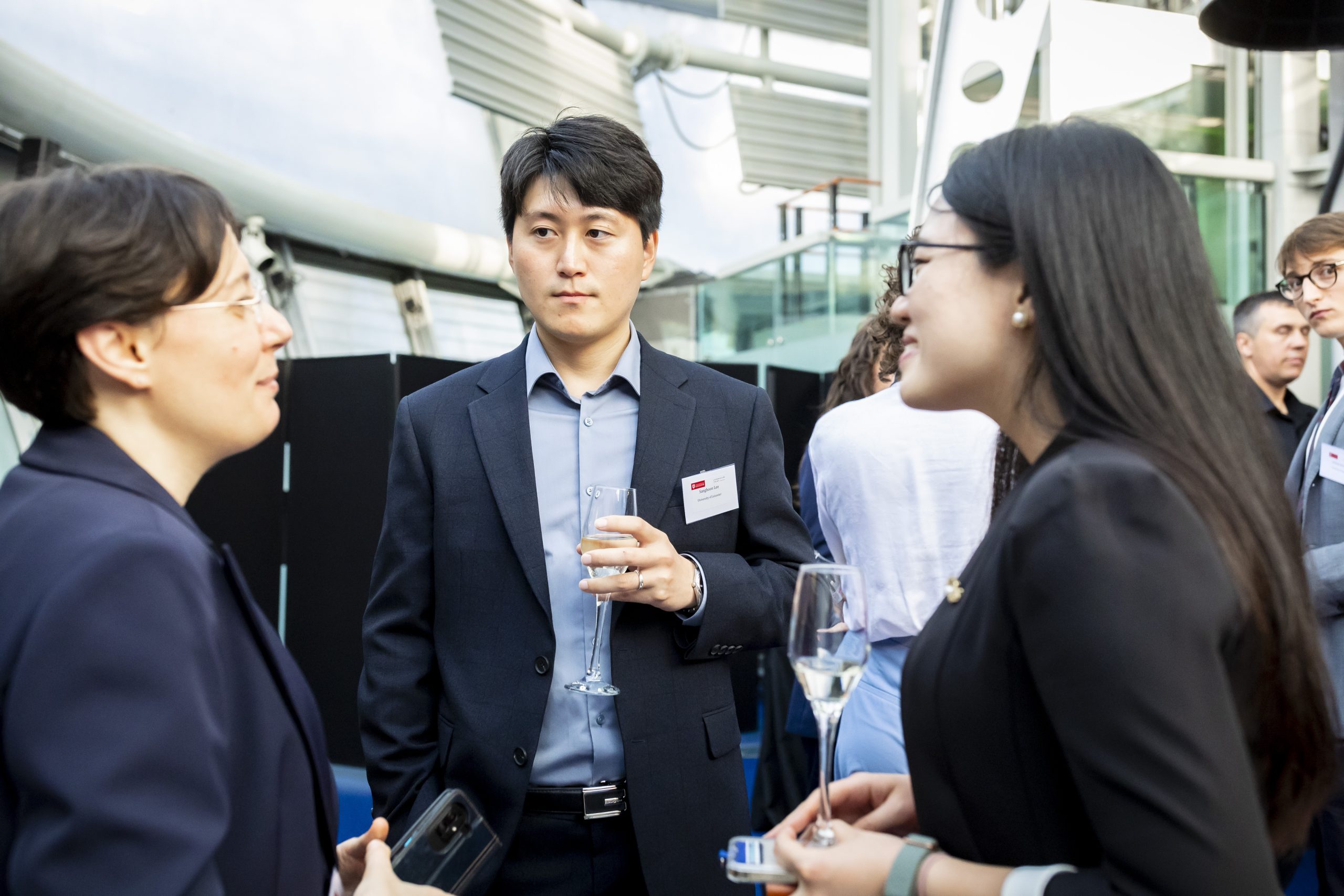
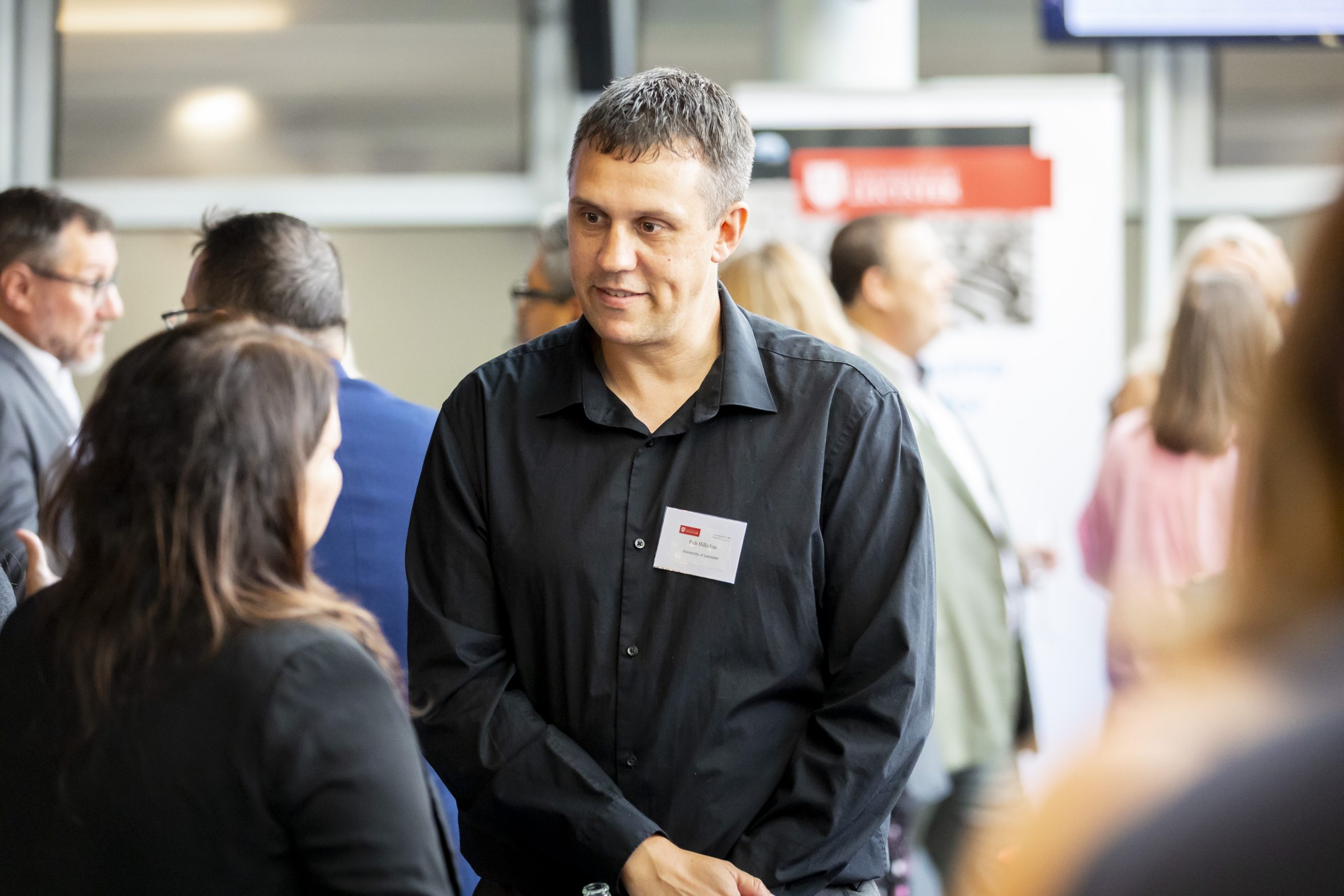

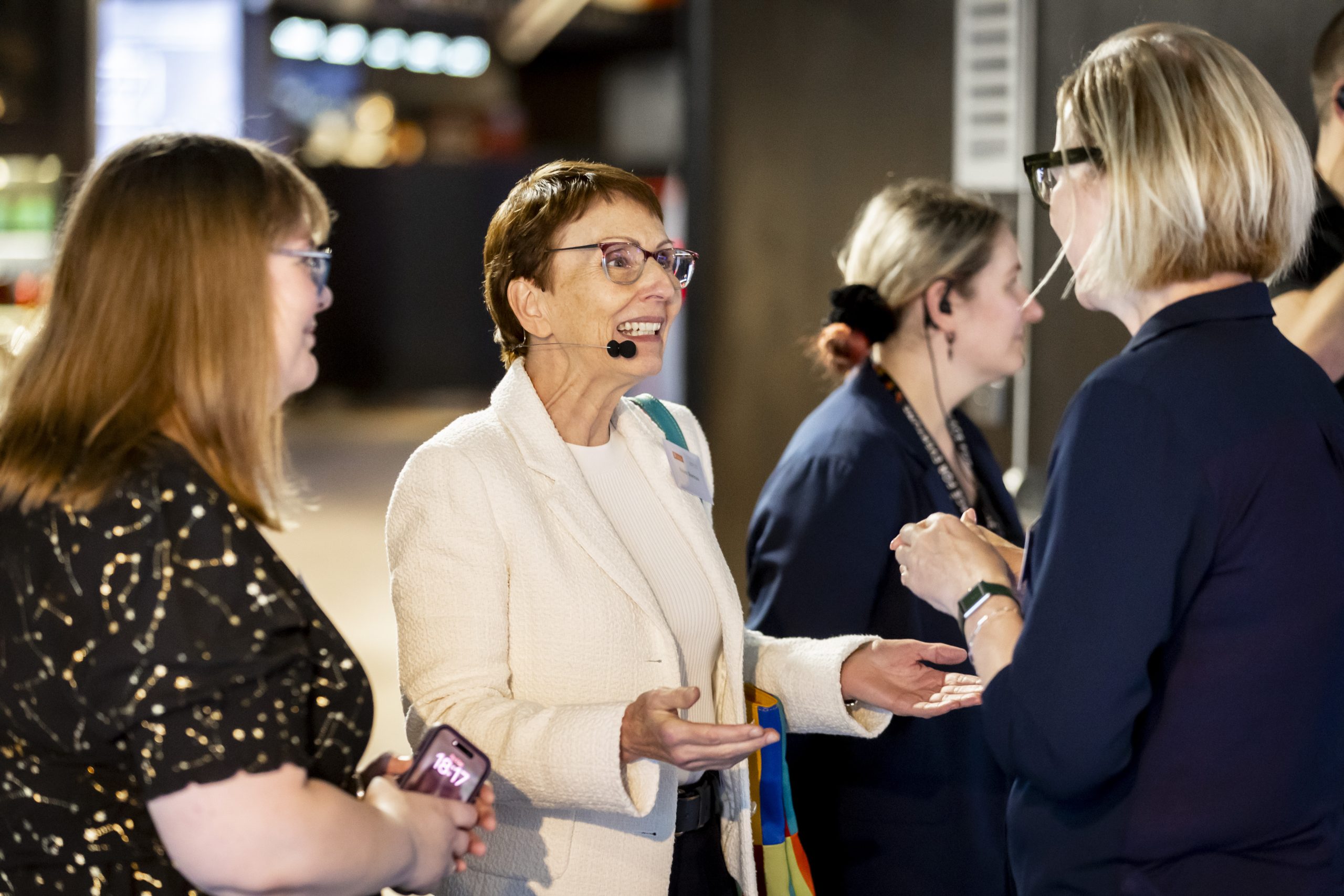


To explore Space Park Leicester partnerships, missions, residents, facilities, training programmes and innovation products, visit space-park.co.uk or to learn more about the University of Leicester visit le.ac.uk/.
Main image: President and Vice-Chancellor of the University of Leicester, Professor Sir Nishan Canagarajah, at the launch of the Leverhulme Centre for Humanity and Space
Explore More Stories
- Pioneering new research centre exploring humanity’s relationship with space launches at National Space Centre
- Space Park Leicester to bring NASA-proven leadership training to Leicester for international five-day executive programme
- Space Park Perspectives
- Space Park Leicester welcomes new UK Space Strategy
- Interplanetary mission with Leicester-built tech begins Mercury arrival phase