


‘A space where imagination takes flight’: University Chancellor congratulates National Space Centre on 25th anniversary
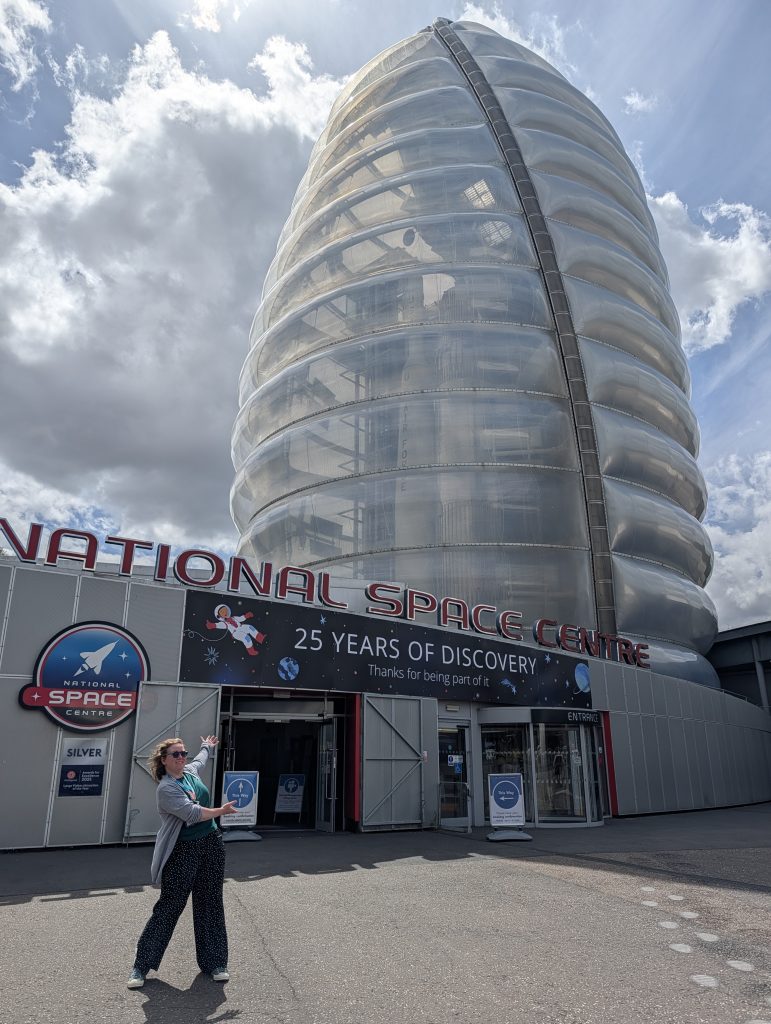
The University of Leicester’s Chancellor has paid tribute to the National Space Centre on the 25th anniversary of the iconic city landmark that was born from its research.
Award-winning scientist and broadcaster Dame Dr Maggie Aderin has recorded a special birthday message to mark 25 years since the National Space Centre’s launch on 30 June.
Dame Maggie said: “For a quarter of a century you’ve been sparking curiosity, inspiring young minds and helping people of all ages fall in love with the wonders of our universe. Your work truly changes lives and our understanding of worlds beyond our own. From your incredible exhibits to your brilliant education programs, you’ve created a space, quite literally, where imagination takes flight.
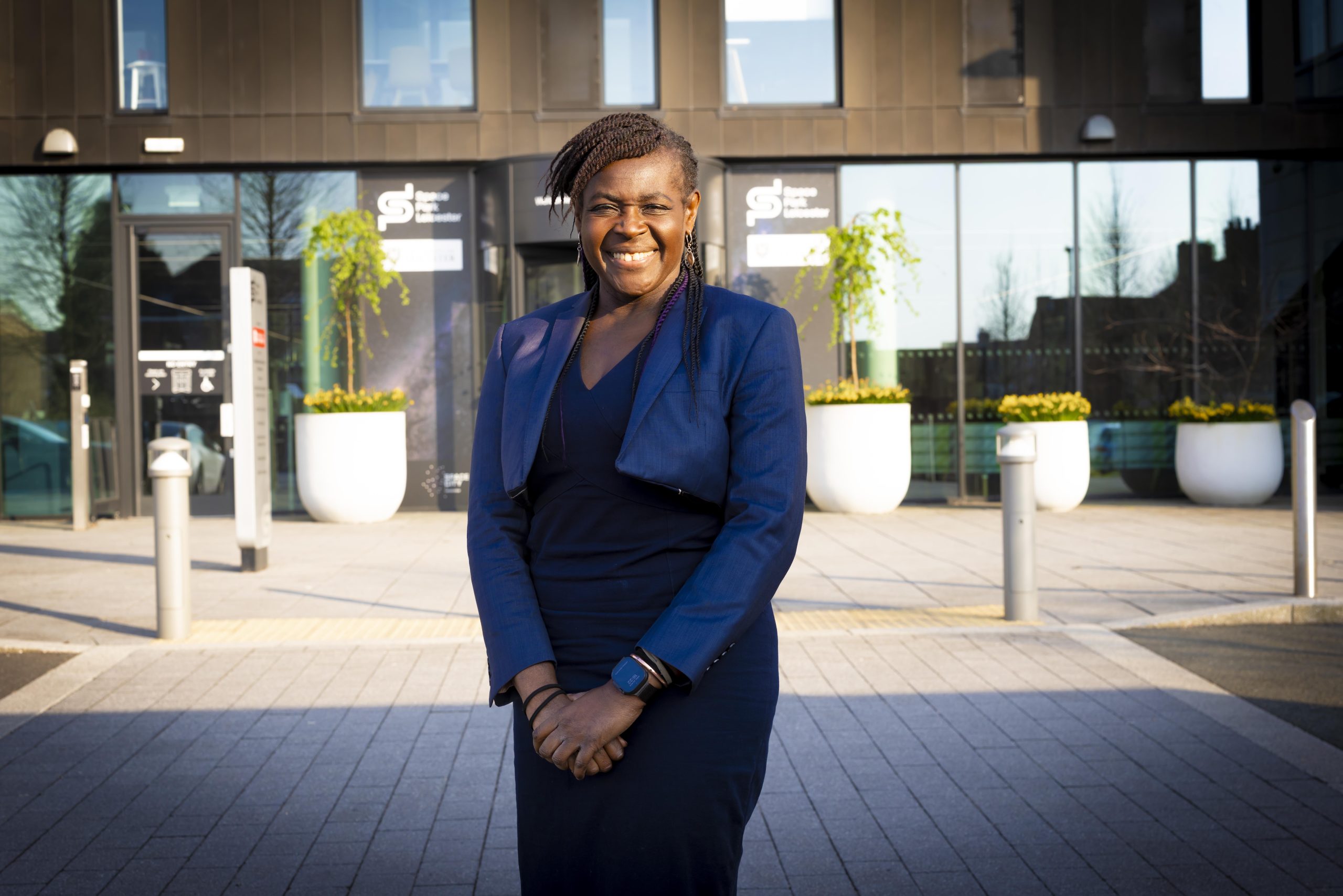
Dame Maggie said:

“For a quarter of a century you've been sparking curiosity, inspiring young minds and helping people of all ages fall in love with the wonders of our universe. Your work truly changes lives and our understanding of worlds beyond our own. From your incredible exhibits to your brilliant education programs, you've created a space, quite literally, where imagination takes flight.

“Thank you for everything you've done to champion space science, innovation, and discovery.”
30 June 2001 saw the long-awaited public opening of the National Space Centre, the culmination of an ambition that began in the early 1990s as an idea first floated by Professor Ken Pounds and Professor Alan Wells of the University of Leicester. A proposal for a National Space Museum was developed by Professor Wells, Professor Alan Ponter and Nigel Siesage with Professor Pounds’ endorsement, and put forward to the Millennium Commission in 1995. They were then invited to submit a funding proposal and in partnership Leicester City Council developed a plan for the project, drawing widely upon expertise from the UK scientific community, including that of Leicester’s Professor Martin Barstow, Professor Mark Sims and Professor David Llewellyn-Jones.
The bid sought to build on the University’s history in space research and teaching, which had been lauded as ‘world-class’ with the award of the Queen’s Anniversary Prize in 1994. The £53.3 million project, co-founded by the University and Leicester City Council, would be the East Midlands Landmark Millennium Project.
It is now a key partner in Leicester’s Space City cluster, situated in the former Pioneer Park development to the north of Leicester city centre and alongside the University’s £100m space research, innovation and teaching hub, Space Park Leicester.
Professor Martin Barstow from the University of Leicester School of Physics and Astronomy, and Director, Strategic Partnerships, at Space Park Leicester, said: “It is hard to believe that it is 25 years since the National Space Centre opened. I was one of the team deeply involved in its development (I had a particular responsibility for the education programme) and have continued that relationship since it opened. I still get a huge buzz when I see the excitement of the visitors when I am there. I would like to wish all the team best wishes for another 25.”
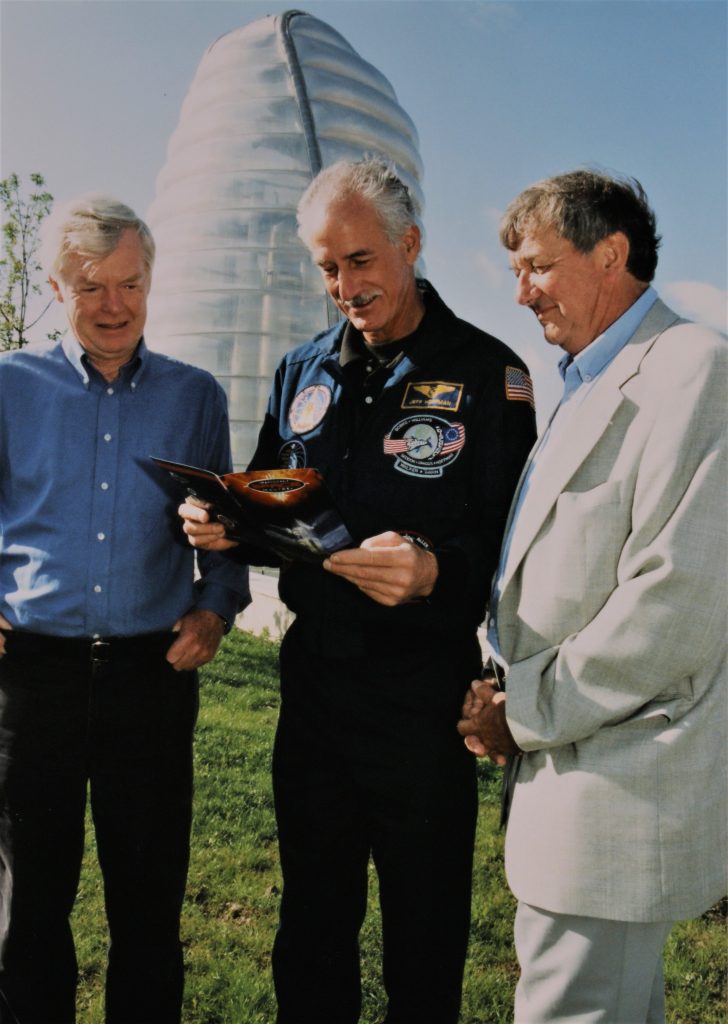
Emeritus Professor Alan Wells said: “Our original proposal to the Millenium Commission in 1995 pledged to link the University’s strong international research in astrophysics and environmental science to visitor centre and educational programmes planned for the National Space Centre. In 2004, NASA’s SWIFT mission, with Leicester’s X-ray Telescope onboard, was launched from Cape Canaveral marked by a live broadcast from the Cape to the National Space Centre’s celebration event. In 2002, Beagle 2 on the European Mars Express mission was launched from Baikonur in Kazakhstan, again with a live broadcast via satellite phone to complement the public facing activities of the Beagle 2 Operations Control Centre which the National Space Centre hosted. These examples epitomise the mutual benefits to the University and the National Space Centre in bringing the realities of frontline space science into the public domain, which continues to this day as NASA attempts to correct SWIFT’s declining orbit and allow the Leicester-built telescope to continue to do its marvellous work.”
Professor Alan Ponter said: “The National Space Centre was an opportunity for the University of Leicester to make a contribution to the many changes taking place in the City at that time. It was not, by any means, an easy project to bring to fruition. Its subsequent success is a source of great pride to the small group, from both the City and University, who managed to persuade the Millennium Commission to fund it.”
Nigel Siesage was initially Project Director for the Space Centre bid and subsequently Company Secretary and Director of Educational Programmes on secondment from the University. From 2001 to 2024 he was trustee of the National Space Centre charity.
Nigel said: “What an exhilarating ride it’s been since the University’s Space Centre vision was enthusiastically adopted by the City Council and local organisations as Leicester’s Millennium project. Our initial ambitions have been more than fulfilled in the 25 years since opening. The Centre really puts Leicester on the map, with hundreds of thousands of visitors every year, specially designed programmes for city schools, imaginative outreach across the country and links around the world. I’m exceptionally proud to have been associated with these achievements from the beginning.”
The National Space Centre has a host of activities planned to mark the occasion, not least of which is a Mission Bake with University of Leicester chemist and Science Communication and Engagement Champion Dr Josh Smalley. The Great British Bake Off finalist will be creating a bespoke birthday cake for the occasion. Dame Maggie added: “So here’s to you, the National Space Centre. 25 years of inspiration, exploration and igniting dreams. And I look forward to the next 25 years of reaching even more people and even further into the cosmos.”
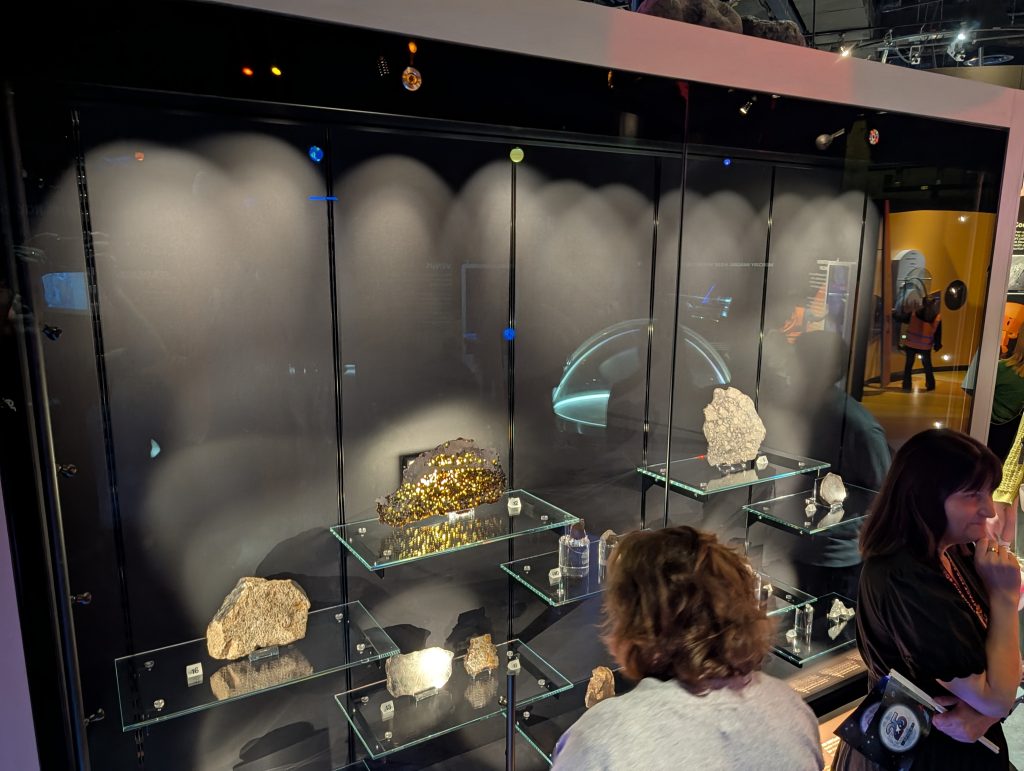
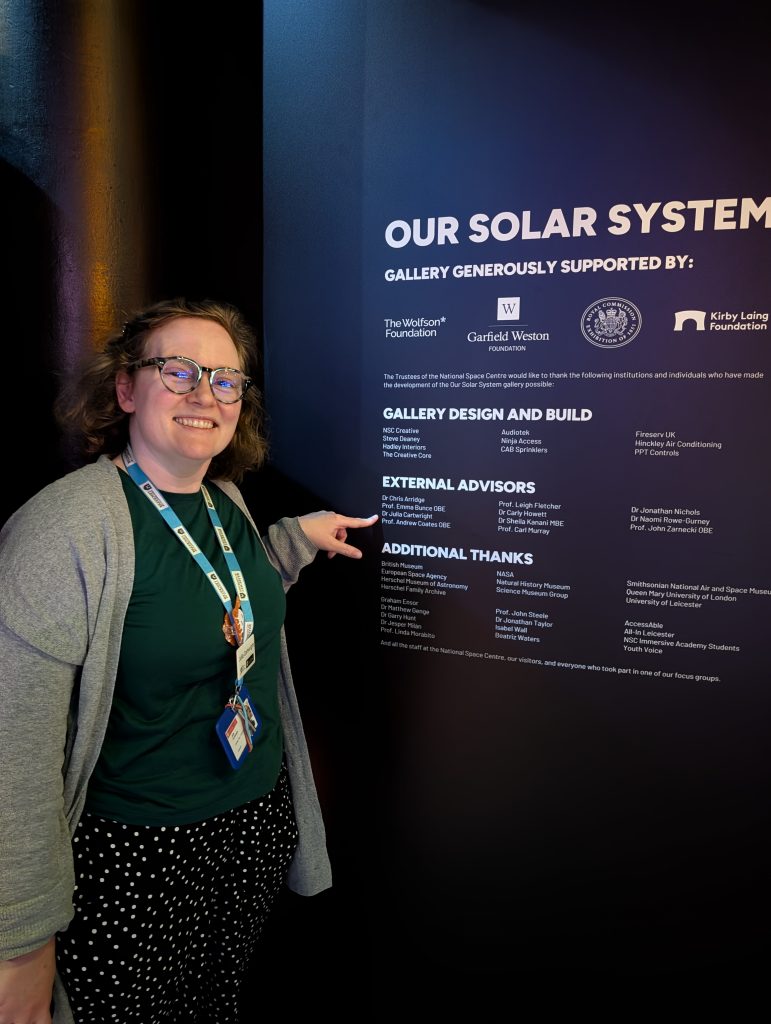
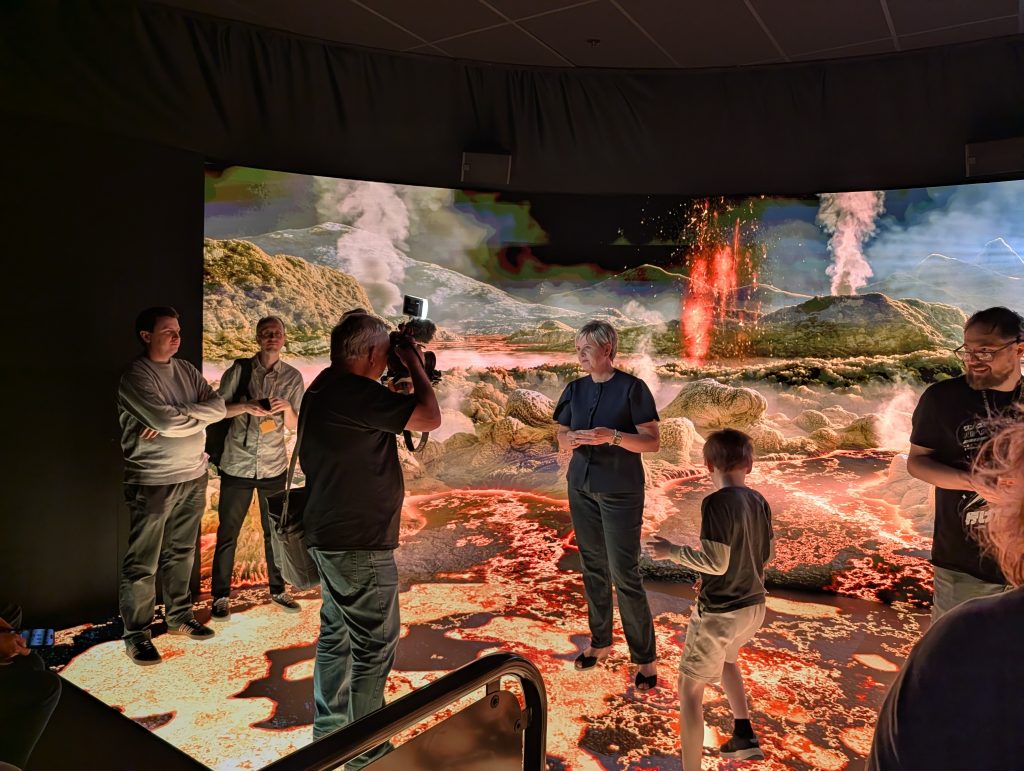
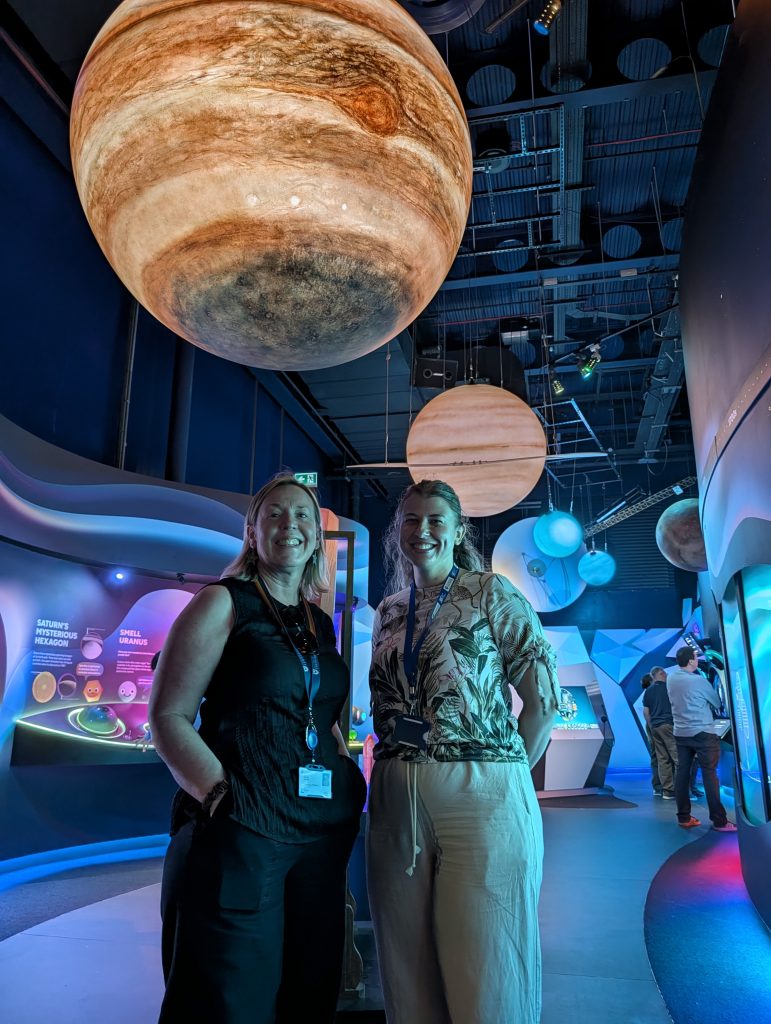
Looking to the future, the National Space Centre is marking its 25th anniversary with the opening of its new Outer Solar System Experience, an immersive gallery exploring the giant planets and the icy worlds beyond. The exhibition has been developed with expert input from University of Leicester planetary scientists, including Professor Emma Bunce, Dr Jonathan Nichols, Professor Leigh Fletcher and Dr Julia Cartwright, whose internationally recognised research into Jupiter, Saturn, Uranus, Neptune and the outer Solar System has helped shape the visitor experience.
The new gallery reflects the enduring partnership between the University and the National Space Centre, bringing world-leading space science to life for visitors of all ages while showcasing Leicester’s continuing role at the forefront of planetary exploration.
To explore Space Park Leicester partnerships, missions, residents, facilities, training programmes and innovation products, visit space-park.co.uk or to learn more about the University of Leicester visit le.ac.uk/.
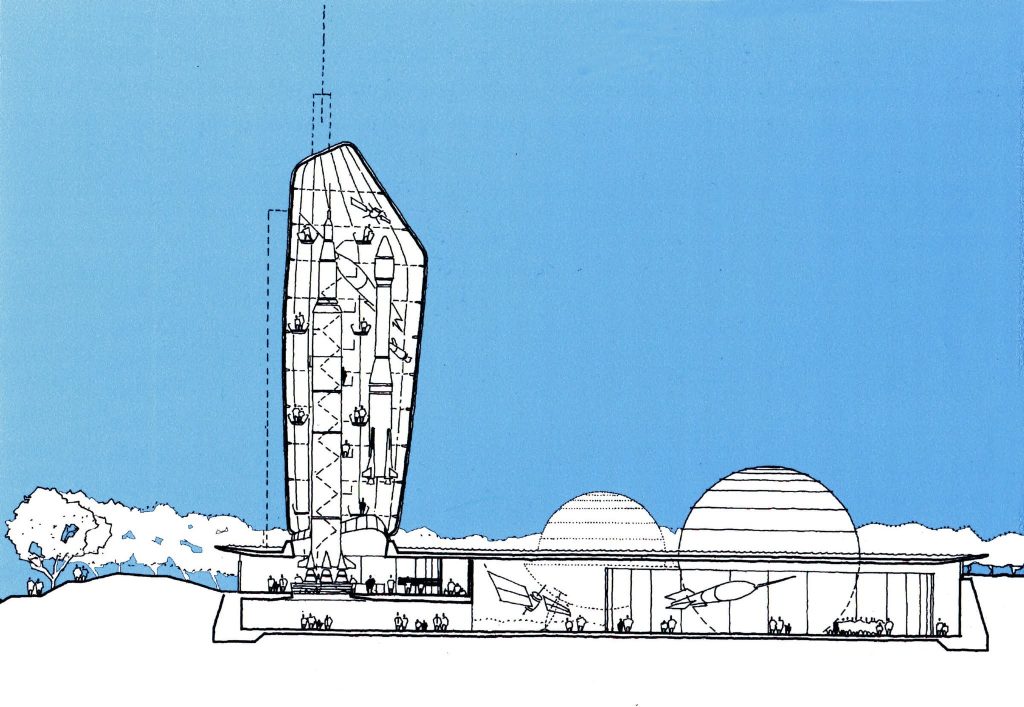
Main image: Initial design for the National Space Centre. Credit: National Space Centre
Explore More Stories
- International project using tech to support rural communities uses Leicester digital twin expertise
- Discover how to access free satellite imagery and Earth Observation data at Space Park Leicester Planet Day
- Time is running out to sign up for NASA-proven leadership training at Space Park Leicester
- Leicester experts involved in international project to strengthen climate research and education in Africa
- Leicester conference will empower the next generation of space professionals