


Leicester scientists chosen to continue pioneering space mission’s legacy as Swift returns to Earth after 22 years
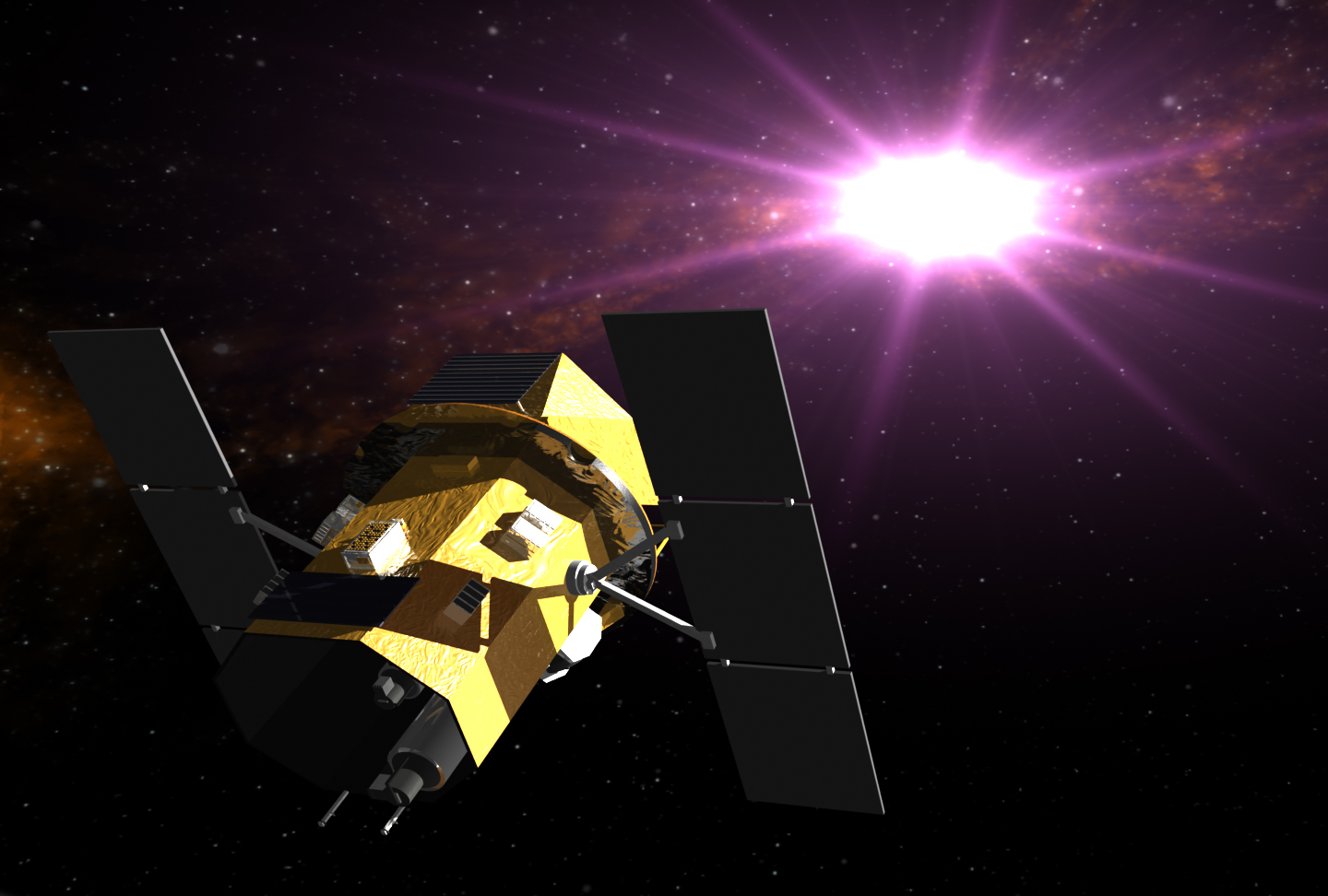
A pioneering space telescope that revolutionised our understanding of the Universe, detected nearly 2,000 cosmic explosions and helped to uncover some of the most extraordinary events ever witnessed in space is expected to re-enter Earth’s atmosphere today (4 November), ending a remarkable 22-year mission with Leicester at its heart – but the work is far from over.
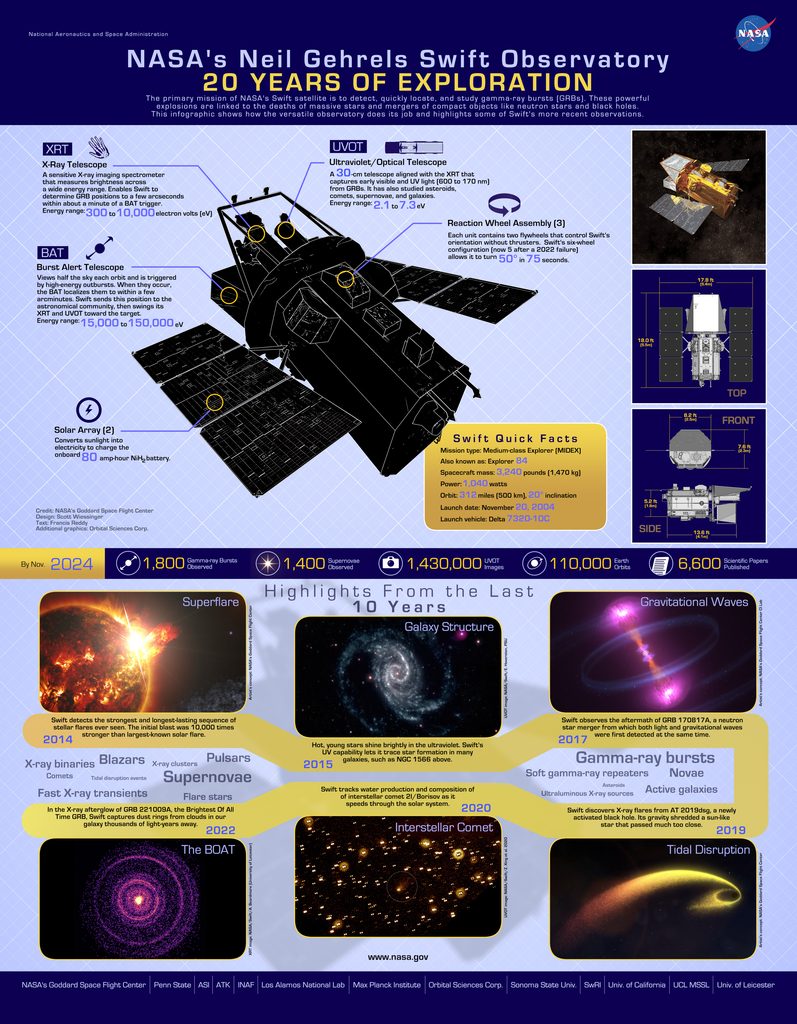
NASA’s Neil Gehrels Swift Observatory, launched in November 2004, is expected to make its final descent at approximately 8.30am GMT, bringing to a close one of astronomy’s most successful missions.
Scientists at the University of Leicester, who have played a pivotal role in Swift since its inception, will continue working on the mission’s scientific legacy following a new funding award from the UK Space Agency, supporting vital post-operations work through to September 2028.
The University will help produce the final calibration and data products for Swift’s X-ray Telescope (XRT), ensuring observations gathered over more than two decades remain a valuable resource for astronomers worldwide.
Professor Paul O'Brien, Professor of Astrophysics and Space Science at the University of Leicester's School of Physics and Astronomy, said:

"Swift has been far more than a satellite. It has been a remarkable journey of discovery, bringing together brilliant minds across the world and allowing us to witness events that were once beyond our imagination."
Originally designed to detect gamma-ray bursts (GRBs) – the most powerful explosions in the Universe – Swift transformed astronomy by responding to these events within minutes, rather than the hours previously needed to begin observations.
Among its most remarkable observations was a gamma-ray burst more than six billion light years away that was bright enough to be seen with the naked eye, and another from when the Universe was just 500 million years old.
In 2022, Swift also captured the aftermath of the ‘BOAT’ – the brightest gamma-ray burst ever recorded, an event so powerful it may have been the brightest of its kind in human history.
But Swift’s achievements stretched far beyond its original mission. It became a pioneering observatory in multi-messenger astronomy, combining observations of light with detections of gravitational waves and neutrinos to unlock new secrets of the cosmos.
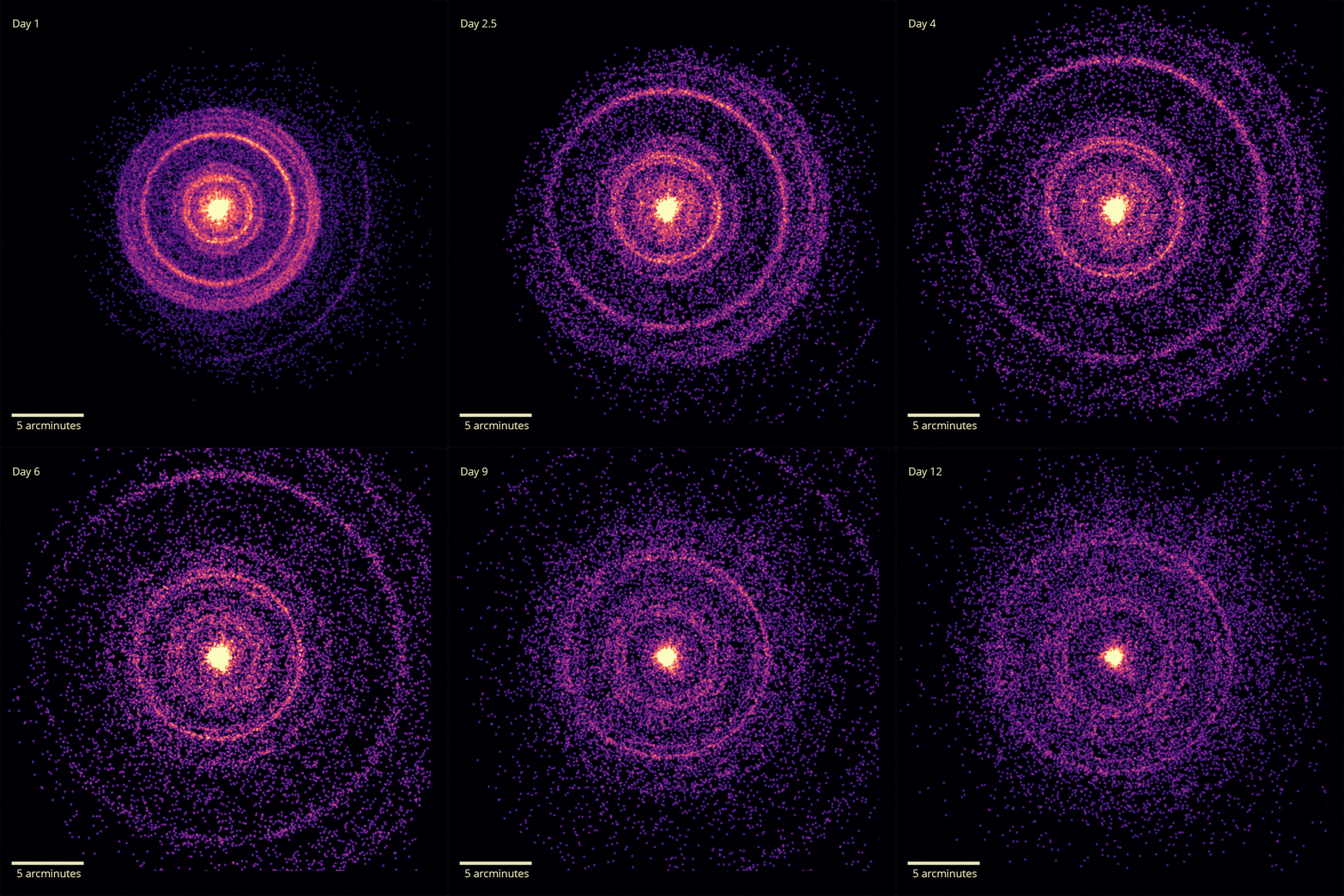
During an extraordinary six-week period in 2017, Swift contributed to two historic discoveries: the first electromagnetic counterpart to a gravitational wave signal and the first identified electromagnetic counterpart to a high-energy neutrino event.
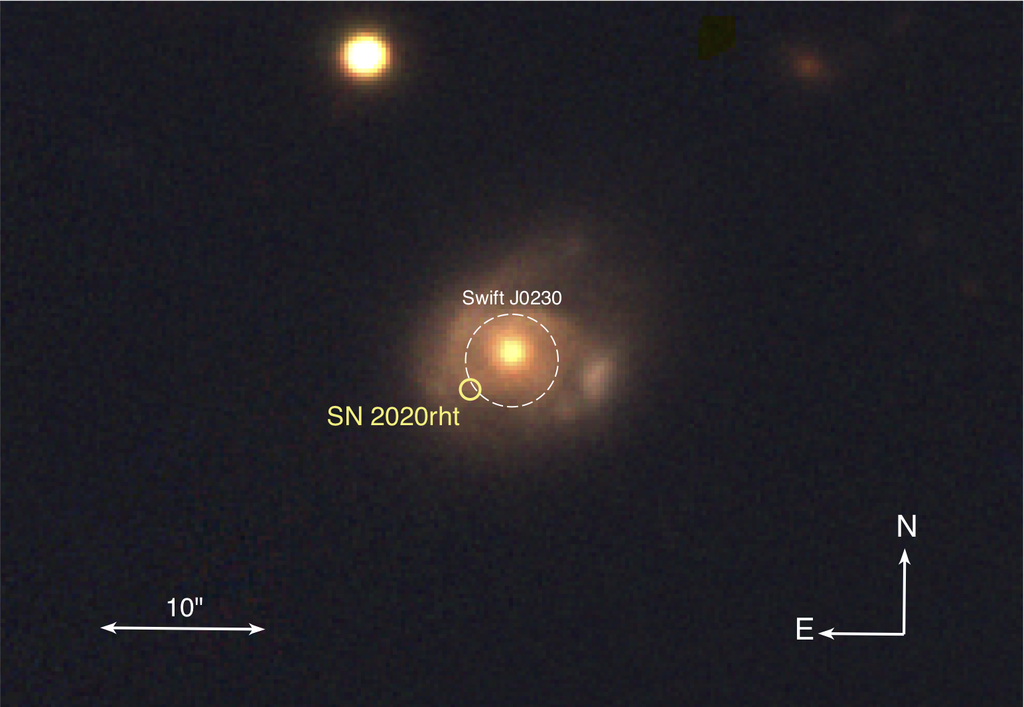
Leicester researchers also developed innovative software to search Swift’s X-ray observations for previously unknown cosmic events. This led to the discovery of Swift J0230, a mysterious object believed to be undergoing repeated episodes of disruption as it orbits a more massive companion.
Dr Phil Evans, astrophysicist and Principal Investigator of Leicester's Swift team, who joined the mission in 2006, said:

"It's been a huge honour to work on Swift – and a near-daily excitement.
"One of the real drivers behind its scientific success has been the willingness of the entire team to constantly re-evaluate what is possible and adapt how Swift operates and how we handle the data, to stay at the cutting edge of scientific need.

"Although Swift's operations have now ended, our work here in Leicester is far from finished. We have an important role to play in preparing the final X-ray Telescope calibration and data products, ensuring that the discoveries made possible by Swift can continue long into the future.

"Having been part of this mission for 20 years, it's incredibly rewarding to know that its scientific legacy will continue, even after we say goodbye to the spacecraft itself."
Leicester’s involvement stretches back to the mission’s earliest days. Professor Alan Wells played a pivotal role as the UK Lead Investigator for Swift’s X-ray Telescope (XRT), spearheading the development and calibration of this critical instrument, designed to capture the rapid afterglows of cosmic gamma-ray bursts. Following Swift’s successful launch in 2004, Professor Wells continued to guide the mission’s scientific success as Co-Science Operations Director.
Professor Julian Osborne subsequently led the Leicester Swift team until 2021 and established the UK Swift Science Data Centre (UKSSDC), creating a lasting resource for the international astronomy community. Under his leadership, the University developed automated, real-time data pipelines and software that enable astronomers worldwide to rapidly analyse Swift observations and investigate transient cosmic events. This work helped cement Leicester’s position at the forefront of space science and ensured Swift’s discoveries could be accessed and studied by researchers around the world.
Professor Paul O’Brien was also among the key figures involved in the mission. University researchers designed essential X-ray Telescope systems, including its low-temperature camera and Telescope Alignment Monitor.
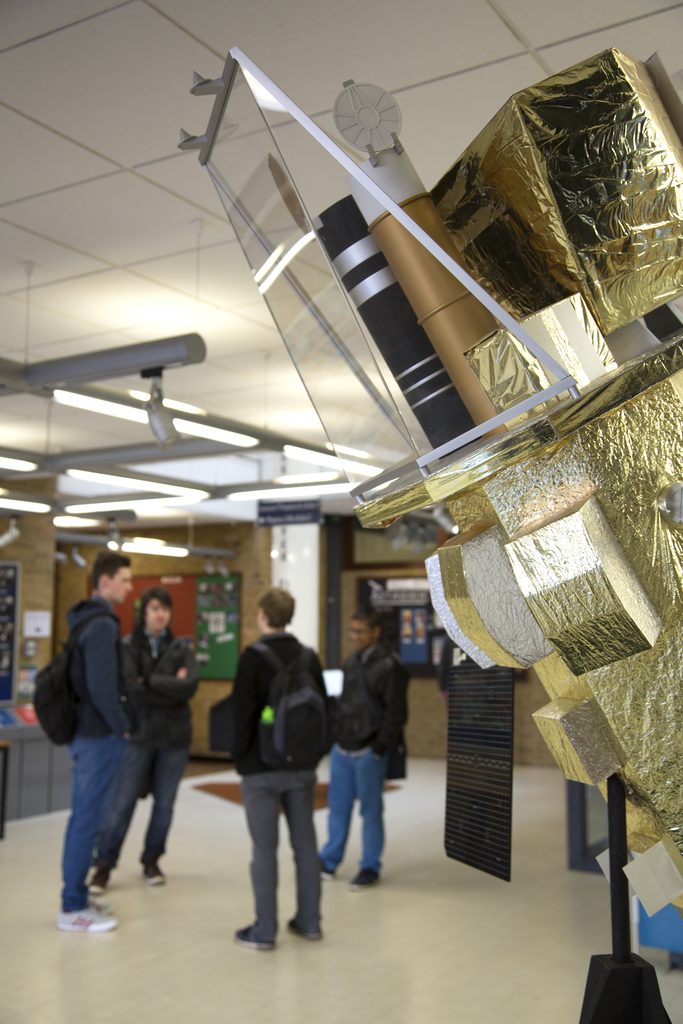
The University continues to host the UK Swift Science Data Centre, providing specialist analysis and rapid access to observations for scientists worldwide, alongside leading X-ray calibration work and supporting mission operations.
Dr Andrew Beardmore, who joined Leicester's Swift X-ray Telescope team in 2003, said: "Swift was, of course, a world-leading, fast response observatory, not only capable of detecting new targets like gamma-ray bursts within seconds of the event occurring, but of monitoring other interesting sources like novae and X-ray binaries."
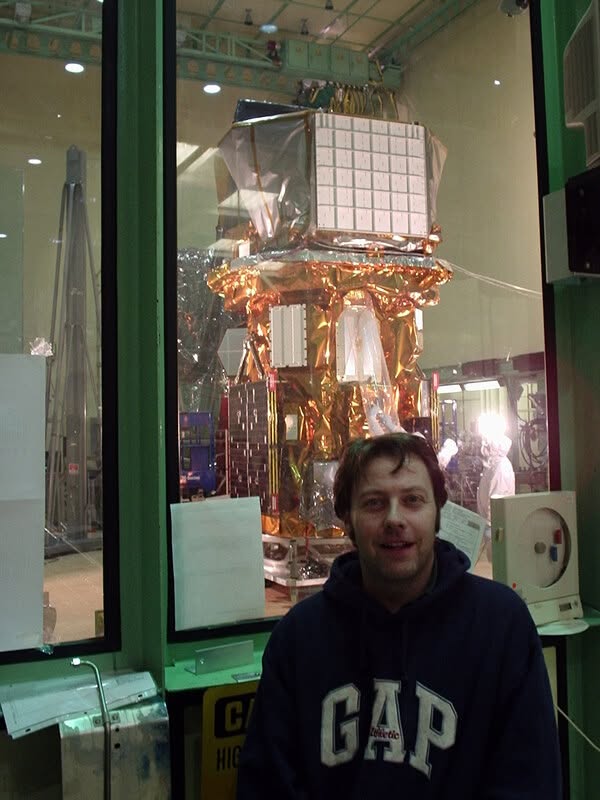
Dr Kim Page, Swift Data Centre Scientist at Leicester, said: "Swift has been a truly amazing mission. I feel very privileged to have been part of the team all the way from before the launch to the end of science operations, and now into the post-ops phase as we work to archive the final data for posterity."
Professor O'Brien added: "Here in Leicester, we have been privileged to help shape that journey. Saying goodbye is emotional, but the discoveries, technology and people inspired by Swift will continue to influence astronomy for generations."
Swift’s influence extends to the next generation of space missions, including Einstein Probe and SVOM, which have benefited from Leicester expertise. More than 15 University of Leicester PhD students have also completed research using Swift observations.
NASA ended Swift’s scientific operations on 20 October after the satellite’s decaying orbit brought it increasingly close to Earth’s atmosphere.
To explore Space Park Leicester partnerships, missions, residents, facilities, training programmes and innovation products, visit space-park.co.uk or to learn more about the University of Leicester visit le.ac.uk/.
Main image: Swift illustration. Credit: NASA’s Goddard Space Flight Center Conceptual Image Lab
Explore More Stories
- Leicester scientists chosen to continue pioneering space mission’s legacy as Swift returns to Earth after 22 years
- Explore Space Park Leicester during University of Leicester Open Day
- US deep tech sensor company opens new overseas office at Space Park Leicester
- French aerospace delegation visits Space Park Leicester to explore UK–French space collaboration
- Space Park Leicester generates over £70m in economic value annually