
Space Park Perspectives
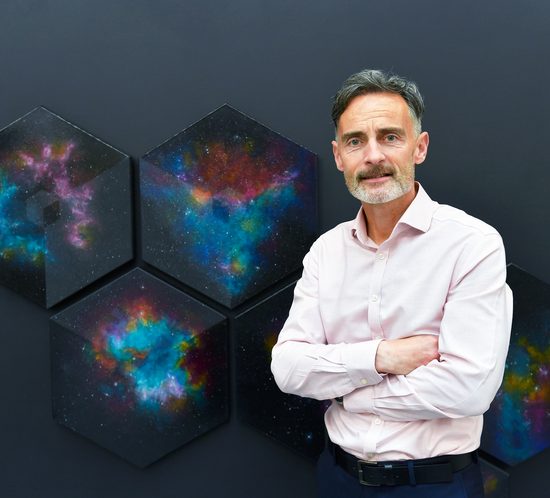
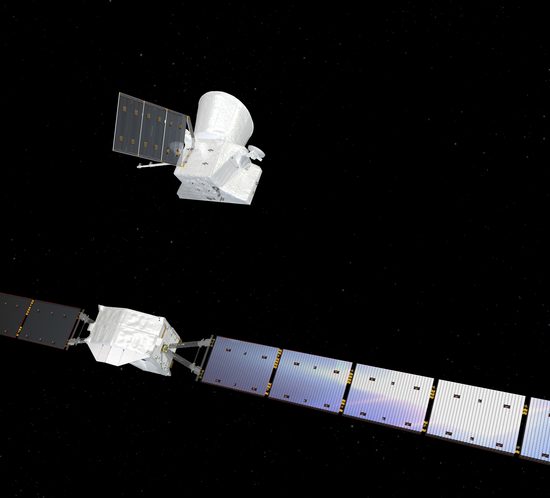
Imaging the Invisible: Leicester engineer at the forefront of SMILE’s mission to decode space weather
In a landmark achievement for international space exploration, Perpetual Atomics, QSA Global, Inc. and the University of Leicester have completed the first historical production of an Americium-fuelled Radioisotope Heater Unit (RHU) full scale core containing ceramic form americium-241 pellets in a metal containment structure.
An algorithm to classify asteroids from satellite data could help reveal the story of the formation of our solar system.
University of Leicester scientists have identified three planets in other solar systems that could reveal clues to the early evolution of planetary systems.
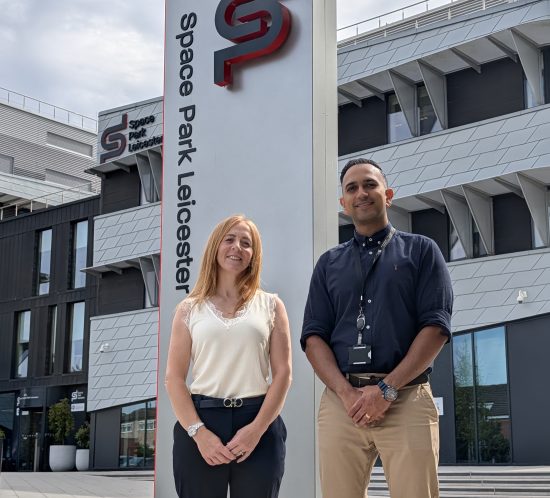
Breaking into the space sector isn’t just about rockets and research — it’s about people, skills and opportunity. As the UK space economy accelerates, Space Park Leicester is helping bridge the gap, opening new pathways for professionals to step into one of the world’s most
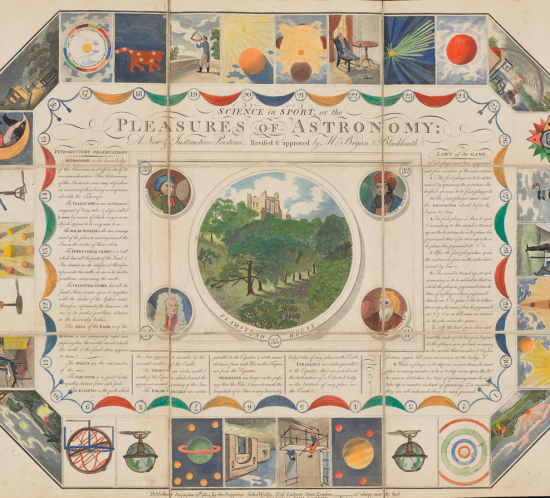
A bold new chapter begins for the Leverhulme Centre for Humanity and Space, as its first Spring Symposium brings together researchers exploring how we imagine, experience and shape life beyond Earth — from medieval astronomy to future space policy, and everything in between.
From a tense landing in 2012 to over a decade of discovery, Professor John Bridges reflects on Space Park Leicester’s role in one of humanity’s most ambitious planetary missions.
This Earth Day, we’re celebrating the people and projects turning environmental science into real-world impact. Professor Heiko Balzter and Dr Nezha Acil from the National Centre for Earth Observation at the University of Leicester, are leading pioneering work to help protect Africa’s forests using Earth
As global space missions capture attention, Space Park Leicester is creating opportunity much closer to home—connecting research, innovation and community to drive impact across the University and beyond.
As Artemis II reignites global fascination with human spaceflight, Dr James Aitcheson explores why space still captivates us — and why understanding its cultural and human impact is more important than ever.